What Is Sisalation? Foil, Sarking and Wall Wraps Explained

Pro-Fit Insulation • October 5, 2026

Sisalation is a reflective foil membrane that sits under your roof or behind your wall cladding to bounce radiant heat away, keep out dust and wind-driven rain, and protect the building frame. At Pro-Fit Insulation, we supply and install Sisalation, roof sarking, wall wraps and Foilboard for homes across the Gold Coast and South East Queensland, and we get asked about these products all the time. This guide explains what each one does, how it differs from bulk batts, and how they work together in our hot, humid climate.

Key Takeaways

  • Sisalation, roof sarking and wall wraps are reflective foil membranes. They manage radiant heat, dust, draughts and moisture entry in the roof and walls.
  • Reflective foil does not replace bulk insulation. It works alongside ceiling and wall batts, and the best results come from a layered system.
  • Installation details decide performance. An air space beside the shiny face, lapped and taped joins, and the right vapour control are all essential.
  • We are locally owned and operated, with 15+ years of experience supplying and installing wall wraps, sarking, roofing blanket, membranes and Foilboard.

What Is Sisalation and How Does Reflective Foil Work?

Sisalation is a well-known Australian brand of reflective foil laminate from Fletcher Insulation, and many people use the name for any foil sarking or wall wrap. The product is a thin, reinforced sheet with an aluminium foil face, light enough to roll out across rafters or wall frames and tough enough to handle a building site.

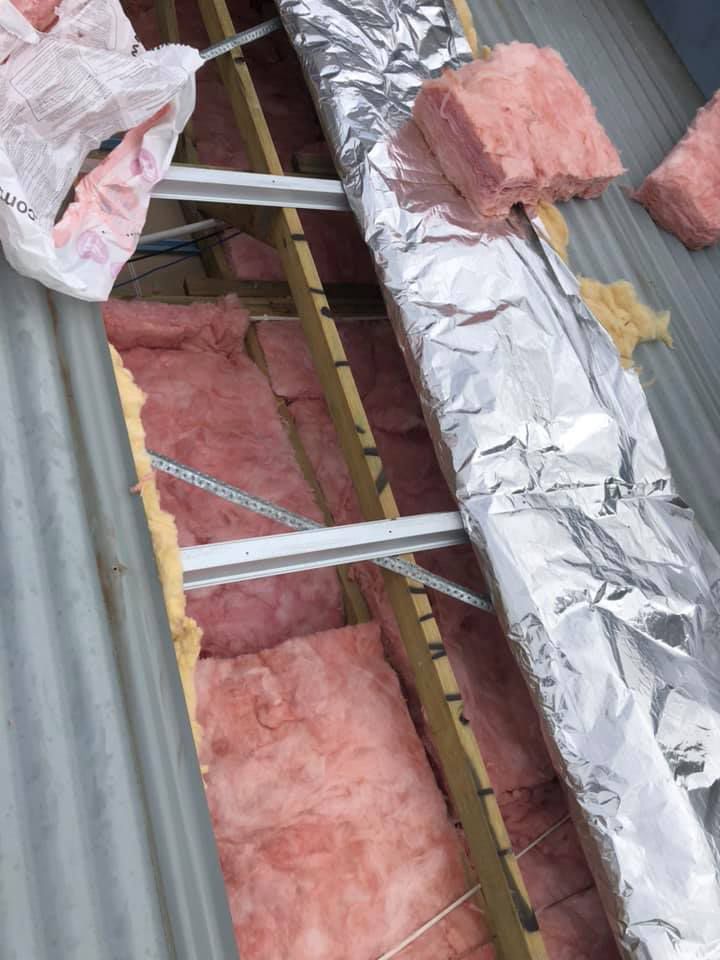
Reflective foil works against radiant heat. When the sun hits a metal or tiled roof, a large share of that energy travels into the roof cavity as infrared radiation. A shiny, low-emissivity foil surface reflects most of that radiation instead of absorbing it, so less heat reaches your ceiling and living areas.

The catch is that the foil needs a still air space next to its shiny face to reflect heat. If it is pressed hard against roof sheeting or sandwiched between materials, heat simply conducts through it and the reflective benefit is largely lost. This is one of the most important details that separates a good installation from a poor one.

Where Sisalation is used in a home

  • Under roof sheeting or tiles: as roof sarking, it protects the roof cavity from dust, wind-driven rain and radiant heat.
  • Behind external cladding: as wall wrap behind brick veneer, fibre cement or lightweight cladding, it reduces draughts and manages moisture.
  • Under suspended floors: it helps limit ground moisture and cold draughts in raised homes, which are common across older Queensland suburbs.
  • With roofing blanket under metal roofs: combined with a foil-backed blanket, it helps with heat and rain noise.

It is worth knowing that Sisalation and similar products are pliable building membranes, not bulk insulation. They are designed to complement ceiling and wall batts, not stand in for them.

Reflective Foil vs Bulk Batts in a Hot, Humid Queensland Climate

Reflective foil and bulk batts do different jobs, and Gold Coast homes generally need both. Foil mainly manages radiant heat, air movement and surface moisture, while batts such as glasswool or polyester slow conductive heat flow through the ceiling and walls.

What bulk batts do

Bulk batts like Pink Batts and Earthwool sit between ceiling joists or wall studs and trap air in their fibres. That trapped air resists heat moving through by conduction and convection. On a summer afternoon in Robina or Coomera, the heat stored in roof timbers and tiles keeps radiating down long after the sun drops, and ceiling batts are your main defence against it.

How reflective foil helps

Under a sun-exposed roof, sarking reflects radiant heat before it reaches the ceiling space, so your air conditioning has less to fight. Correctly detailed foil also helps keep wind-driven rain and dust out of the cavity and protects roof timbers from moisture, which matters in humid coastal suburbs from Southport down to Burleigh Heads.

The system approach

  • Roof sarking or Sisalation under the metal or tile roof for radiant heat and weather protection.
  • Ceiling batts or roofing blanket to slow conductive heat flow and reduce noise.
  • Wall wrap behind cladding, combined with wall batts where practical.

Together, the foil handles the radiant component and the batts handle conduction. Wrap and sarking also reduce air leakage, which stops draughts bypassing your batts.

Moisture and condensation

Not every membrane treats water vapour the same way. Some are designed to block vapour and others, often called vapour permeable sarking or wraps, let the wall or roof dry outwards. Choosing the wrong one, or leaving laps unsealed, can trap moisture and lead to mould and timber damage over time. The right choice depends on the roof or wall build-up, the cladding and the exposure, so this is where honest advice based on your property matters.

Common Gold Coast roof types

  • Metal roofs with small eaves: they heat quickly in direct sun. Sarking underneath plus ceiling batts is the usual combination.
  • Tiled roofs: tiles absorb and store heat through the day. Foil sarking under the battens plus ceiling batts performs well year round.
  • Sheds and garages: uninsulated metal sheds get very hot. Sarking with a proper air space makes a noticeable difference to how usable the space is.

Choosing and Installing Sisalation, Sarking and Wall Wraps with Pro-Fit Insulation

The right reflective product depends on where it is going and what stage your build or renovation is at. Our team supplies and installs Sisalation, Fletcher Insulation wraps, roofing blanket, membranes and Foilboard, and we match each one to the job rather than pushing a single product.

Products matched to your home

  • Sisalation roof sarking: under metal or tile roofs, as a radiant heat barrier with weather and dust protection.
  • Wall wraps: behind brick veneer or lightweight cladding, for draught reduction and moisture management.
  • Foilboard rigid panels: a reflective face bonded to rigid foam, useful in tight spaces and retrofits where batts are hard to fit neatly.
  • Foil-backed roofing blanket: under metal roof sheeting, for heat and rain noise.

Installation principles that matter

  • Keep an air space beside the foil. The reflective face must face a still air gap to reflect radiant heat.
  • Lap and tape every join. Overlaps and penetrations around pipes, wiring and roof fixtures need sealing so the barrier stays continuous.
  • Respect electrical safety. Foil conducts electricity, so it must be kept clear of exposed wiring, and power should be isolated before working in a roof cavity.
  • Protect the membrane. Keep it dry, and get cladding on without long delays so wraps are not left exposed to sun and weather.

Common homeowner questions

When is the best time to add sarking? A re-roof is the ideal opportunity, because the sheets or tiles are already off. On a new build, it goes in at the framing stage before the roof is fixed.

 What if I am not replacing the roof? There are still options. From inside the roof cavity we can add foil-backed blanket, Foilboard or more bulk insulation without lifting the roof. We will look at your setup and tell you what is realistic.

How disruptive is it? Work at ceiling level is done through the manhole and causes very little disruption to an occupied home. Sarking during a re-roof happens from outside, so the main factor is the weather.

If you are planning a new build, renovation or re-roof anywhere from Coomera to Coolangatta, getting the mix of sarking, wall wrap and bulk insulation right is one of the most effective ways to improve comfort. You can see how a foil-plus-batts roof system came together for one owner-builder in getting roof insulation right in a new Coorparoo build. For a free quote, call 1300 522 089.

Frequently Asked Questions about Sisalation and Reflective Foil

Do I still need ceiling batts if I have Sisalation under my roof?

Yes. Sisalation mainly deals with radiant heat and weather protection, while ceiling batts slow conductive heat flow between the roof cavity and your rooms. Foil handles what batts cannot, and batts handle what foil cannot, so you get the most comfortable result with both.

Can Sisalation be added to an existing home without replacing the roof?

Full roof sarking is easiest to install during a re-roof, because the membrane is laid over the rafters before the roofing goes back on. Without a re-roof, foil-faced roofing blanket, Foilboard or extra bulk insulation can usually be installed from inside the roof cavity instead.

Will reflective foil help with condensation and mould in my roof cavity?

Correctly chosen and installed membranes help manage outside moisture and reduce cold surfaces where condensation forms. Foil is only one part of the picture, though. Roof ventilation, building design and moisture from bathrooms, kitchens and laundries all play a role, so it pays to get advice for your specific home.

Is Sisalation suitable for metal and tiled roofs?

Yes. Sisalation and similar sarking products are commonly used under both metal and tiled roofs. The laps, support, air spaces and flashing details differ by roof type, so installation must follow the manufacturer's instructions and local building practice.

How do I know which wall wrap is right for my renovation?

The right wrap depends on your cladding, frame, exposure and whether the wall needs to dry inwards or outwards. Send your plans or photos to Pro-Fit Insulation and we will recommend a suitable mix of wall wrap, bulk insulation and, where it fits, Foilboard. Call 1300 522 089 for a free quote.

Recent Posts

By Pro-Fit Insulation • October 5, 2026
How long does insulation last on the Gold Coast? Learn what shortens its life, the signs it needs topping up or replacing, and when to call a specialist.
By Pro-Fit Insulation • October 5, 2026
Does acoustic insulation reduce noise? Learn how acoustic batts differ from thermal batts, where they help most in Gold Coast homes, and their limits.
By Pro-Fit Insulation • October 5, 2026
Polyester vs glasswool insulation for Gold Coast ceilings: compare handling, moisture, fire behaviour, cost and lifespan to choose the right batts for you.
By Pro-Fit Insulation • October 5, 2026
What affects insulation removal vacuum cost on the Gold Coast? Roof size, access, contamination and disposal explained, plus our $5 to $10+ per m² guide.
By Pro-Fit Insulation • May 18, 2026
Robina homeowner Tom discovers his raised floor home needed underfloor insulation. Pro-Fit Insulation solved cold floors and draughts. Roof insulation Gold Coast experts.
By Pro-Fit Insulation • May 18, 2026
Coomera homeowner Sandra explains how Pro-Fit Insulation solved her uneven home temperatures with whirlybirds and insulation top-up. Roof insulation Gold Coast done right.
By Pro-Fit Insulation • May 18, 2026
Mudgeeraba homeowner James compared three quotes before choosing Pro-Fit Insulation. A roof insulation Gold Coast story about getting it right first time.
By Pro-Fit Insulation • May 18, 2026
Helensvale homeowner Melissa shares how Pro-Fit Insulation upgraded roof and wall insulation mid-renovation. Real roof insulation Gold Coast results.
By Pro-Fit Insulation • May 18, 2026
Gold Coast homeowner Dave shares how Pro-Fit Insulation safely removed degraded ceiling insulation at his Varsity Lakes home. A roof insulation Gold Coast story.
By Pro-Fit Insulation • May 18, 2026
Gold Coast homeowner Karen shares how Pro-Fit Insulation solved her sweltering Burleigh Heads roof with expert roof insulation Gold Coast service.
Show More