Polyester vs Glasswool Insulation: Which Suits Your Ceiling?

Pro-Fit Insulation • October 5, 2026

Polyester and glasswool batts both work well as ceiling insulation. The real differences are how they feel to handle, how they behave around moisture and fire, and what they cost. At Pro-Fit Insulation, we supply and install both, including Earthwool, polyester batts, Pink Batts and other Fletcher Insulation products, so this comparison is not tied to one brand. Here is what matters most for homeowners on the Gold Coast and across South East Queensland.

Key Takeaways

  • Polyester and glasswool batts both slow heat flow by trapping air, and both come in a range of R-values for ceilings.
  • Glasswool, including Earthwool and Pink Batts, is usually the more affordable option and is non-combustible. Polyester appeals where non-itch, low-dust handling is a priority.
  • In a hot, humid roof cavity, correct installation, ventilation and moisture control matter as much as the material.
  • We install only AS/NZS-compliant products and have 15+ years of experience in local roof spaces.

Polyester and Glasswool Insulation Explained

Polyester and glasswool are both bulk insulation, which means they work by trapping still air between fibres to resist heat moving through your ceiling.

  • Polyester batts are made from synthetic fibres, often with recycled PET plastic content. They are semi-rigid and soft to touch.
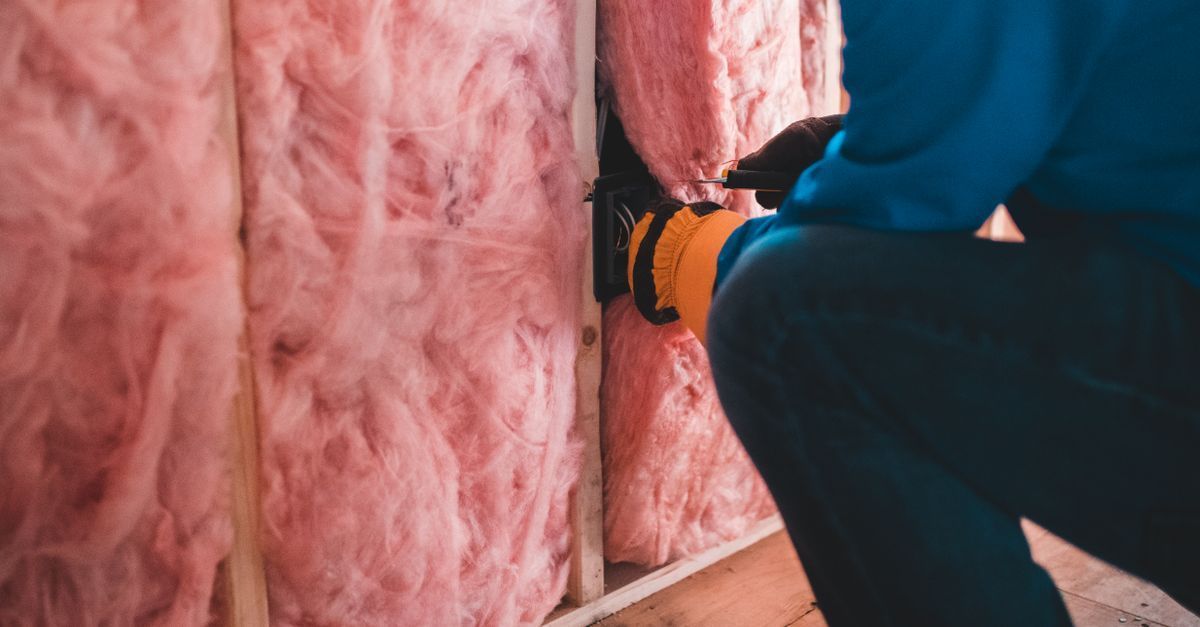
  • Glasswool batts are made from glass fibres. Earthwool is a glasswool product that is non-itch, low-VOC and made from recycled glass. Pink Batts are a well-known glasswool range from Fletcher Insulation.

Both are fitted between ceiling joists, or laid over existing insulation when topping up, and both also help reduce noise from rain, traffic and between rooms.

Thermal Performance and R Values in Australian Homes

For the same R-value, polyester and glasswool perform the same thermally, as long as they are installed without gaps or compression and kept dry. R-value is the measure of thermal resistance, and higher numbers mean more resistance to heat flow.

Where they differ is thickness and price. Polyester often needs to be a little thicker than glasswool to reach the same R-value, which can matter in a shallow roof cavity or a tight space near the eaves. Glasswool generally delivers more R-value per dollar.

The right R-value for your ceiling depends on your home, your roof and the building requirements that apply. Rather than guessing, we assess your roof space and recommend a product and rating that suits it, without oversizing or under-specifying. If you are weighing up options, our story about a homeowner who stopped overthinking her ceiling insulation upgrade shows how that conversation usually goes.

Comfort to Handle, Health and Indoor Air Considerations

Polyester is the softer, itch-free option to handle, while older glasswool products had a reputation for being itchy and dusty. Modern glasswool like Earthwool has closed much of that gap, being non-itch and low-VOC.

  • Polyester: skin-friendly and low-dust, with a lightweight, blanket-like feel. It suits households sensitive to fibres or people who expect to access the roof space often.
  • Glasswool: traditional products call for gloves, long sleeves and a mask during installation. Earthwool is much more comfortable to work with.

Once the batts are above your ceiling lining, they are separated from your living space. Day-to-day indoor air quality depends far more on installation quality and sealing than on the material itself. Careful professional installation keeps disturbance of existing dust to a minimum, which is worth considering for families with allergies.

Moisture, Humidity and Fire Behaviour in a Hot Roof Cavity

Both polyester and glasswool resist moisture, but neither performs well if your roof leaks. Keeping ceiling insulation dry is the key to keeping its performance in our humid climate.

  • Polyester does not absorb water easily, so small amounts of moisture tend to evaporate rather than soak in, and the batt keeps its shape.
  • Glasswool also resists moisture and dries out after minor condensation, but it loses performance if it becomes saturated from a leak.
  • Condensation risk is higher under metal roofs. Roof sarking, ventilation and vapour management matter whichever batt you choose.

On fire behaviour, glasswool is non-combustible. Polyester meets the relevant fire standards for ceiling use but is combustible, so it cannot be used where a non-combustible material is required. With either product, installers must keep the required clearances around downlights and other heat sources. We follow manufacturer guidance on clearances in every roof we work in, from Arundel to Coomera.

Lifespan, Installation and Suitability for DIY vs Professional

Correctly installed polyester or glasswool ceiling insulation should last for decades, provided it stays dry, undisturbed and free from pests. Quality insulation like Earthwool typically lasts 20 to 25 years when installed correctly.

  • Polyester is springy and easy to cut for irregular spaces, which helps where access is tight.
  • Glasswool needs accurate cutting and placement, because poorly fitted or compressed batts lose performance.
  • Cost: glasswool is usually the more affordable material, which can leave more of the budget for professional installation.

Over time, the biggest performance differences come from installation quality, not material choice. Gaps, compression and missed sections all reduce how well your ceiling insulation works, which is why careful, complete coverage matters more than the label on the pack.

Choosing Between Polyester and Glasswool for Your Ceiling

For most Gold Coast homes, glasswool is the value choice and polyester is the comfort-to-handle choice. Both will do the job well when they are installed properly.

  • Choose glasswool (such as Earthwool or Pink Batts) if value, broad availability and non-combustible performance are your priorities.
  • Choose polyester if non-itch handling matters, if you or your trades will be in the roof space often, or if anyone at home is sensitive to fibres.

Your roof construction, existing insulation, renovation plans and how hot your roof cavity gets through summer all affect the final recommendation. We are happy to walk you through the options and give honest advice based on your property. Call 1300 522 089 for a free quote.

Frequently Asked Questions

Is polyester or glasswool better for a hot, humid Gold Coast roof space?

Both perform very well when correctly installed with good roof ventilation and moisture management. The choice usually comes down to handling, sensitivity to fibres and budget rather than a clear technical winner.

Can I lay new batts over old ceiling insulation?

Topping up can work if the existing insulation is dry, clean and free from mould or pest damage. Compressed, dirty or water-affected material is usually better removed first, and an inspection will tell you which applies.

Will switching from glasswool to polyester lower my energy bills?

Not on its own. Energy savings depend mainly on the total R-value, coverage and installation quality of your ceiling insulation, not the material type.

Is polyester safer around downlights than glasswool?

Whichever material you choose, ceiling insulation must keep the required clearances around recessed lights and other heat sources. Our installers check these clearances and flag any fittings that may need an electrician.

How do I know which R-value I need for my ceiling?

It depends on your roof design, the building requirements that apply and your comfort goals. Our free insulation calculator gives a starting estimate, and Pro-Fit Insulation can confirm the right product and rating for your home on 1300 522 089.

Recent Posts

By Pro-Fit Insulation • October 5, 2026
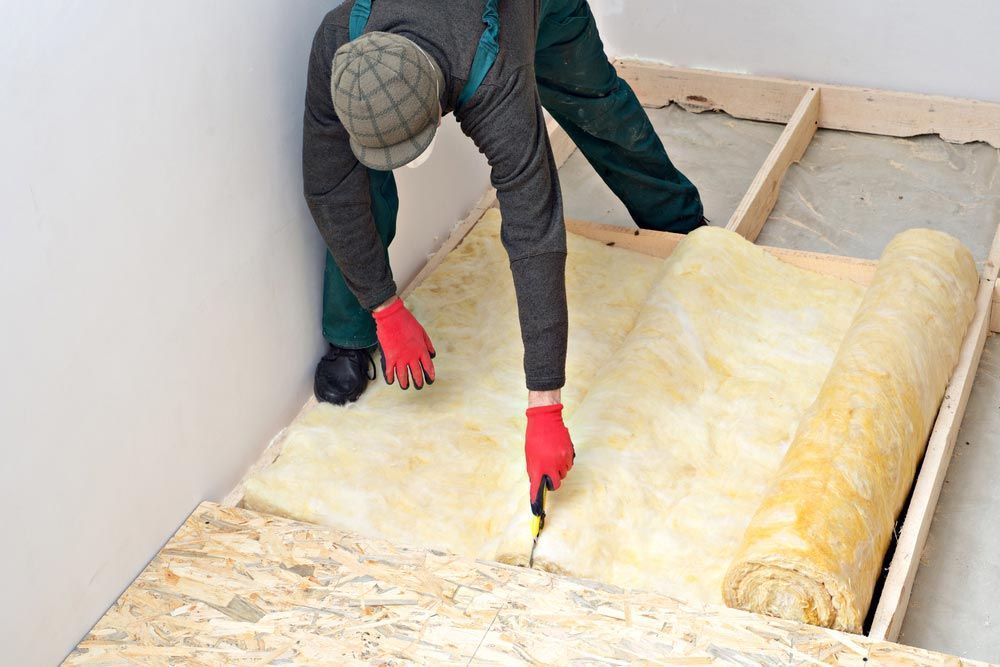
How long does insulation last on the Gold Coast? Learn what shortens its life, the signs it needs topping up or replacing, and when to call a specialist.
By Pro-Fit Insulation • October 5, 2026
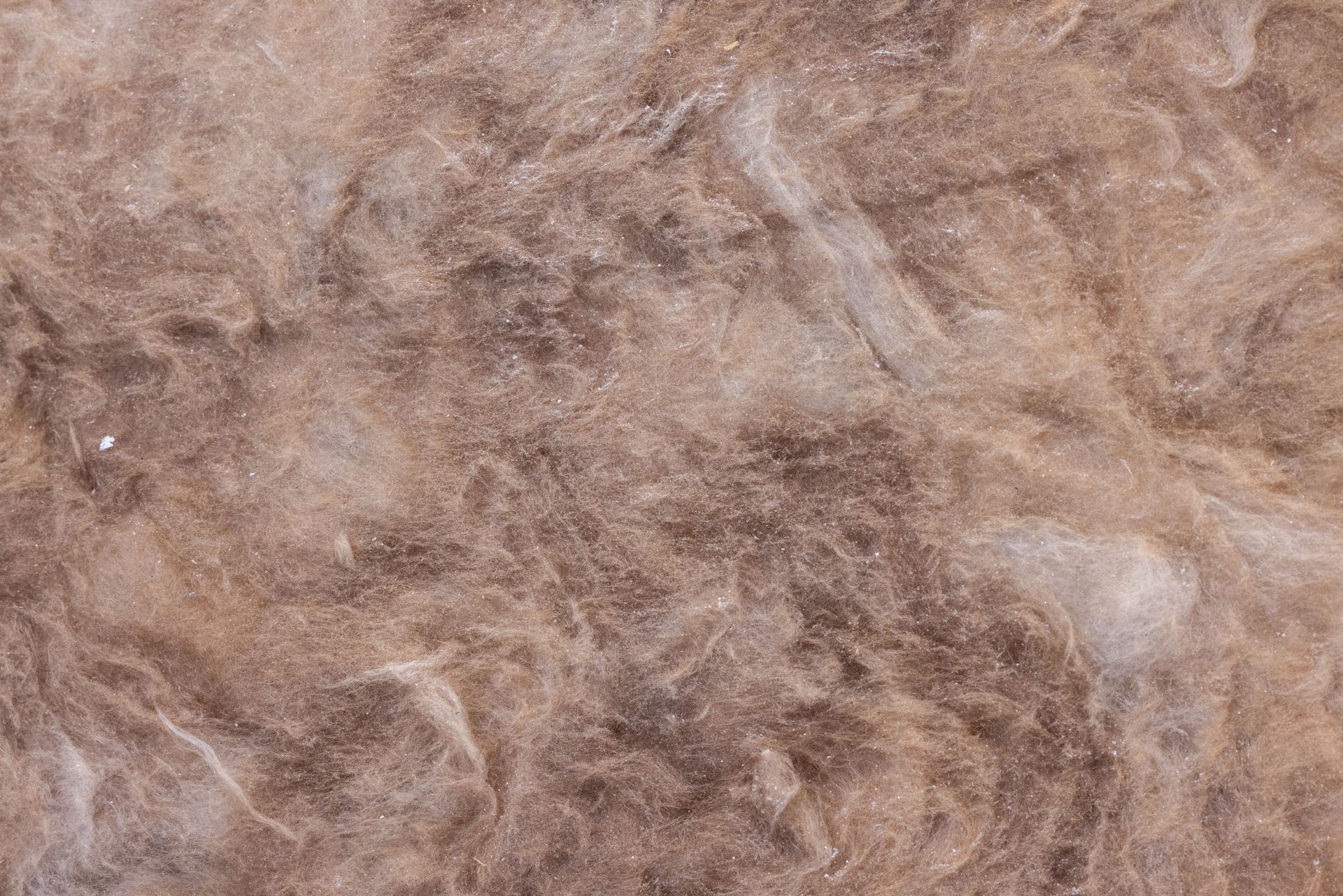
Does acoustic insulation reduce noise? Learn how acoustic batts differ from thermal batts, where they help most in Gold Coast homes, and their limits.
By Pro-Fit Insulation • October 5, 2026
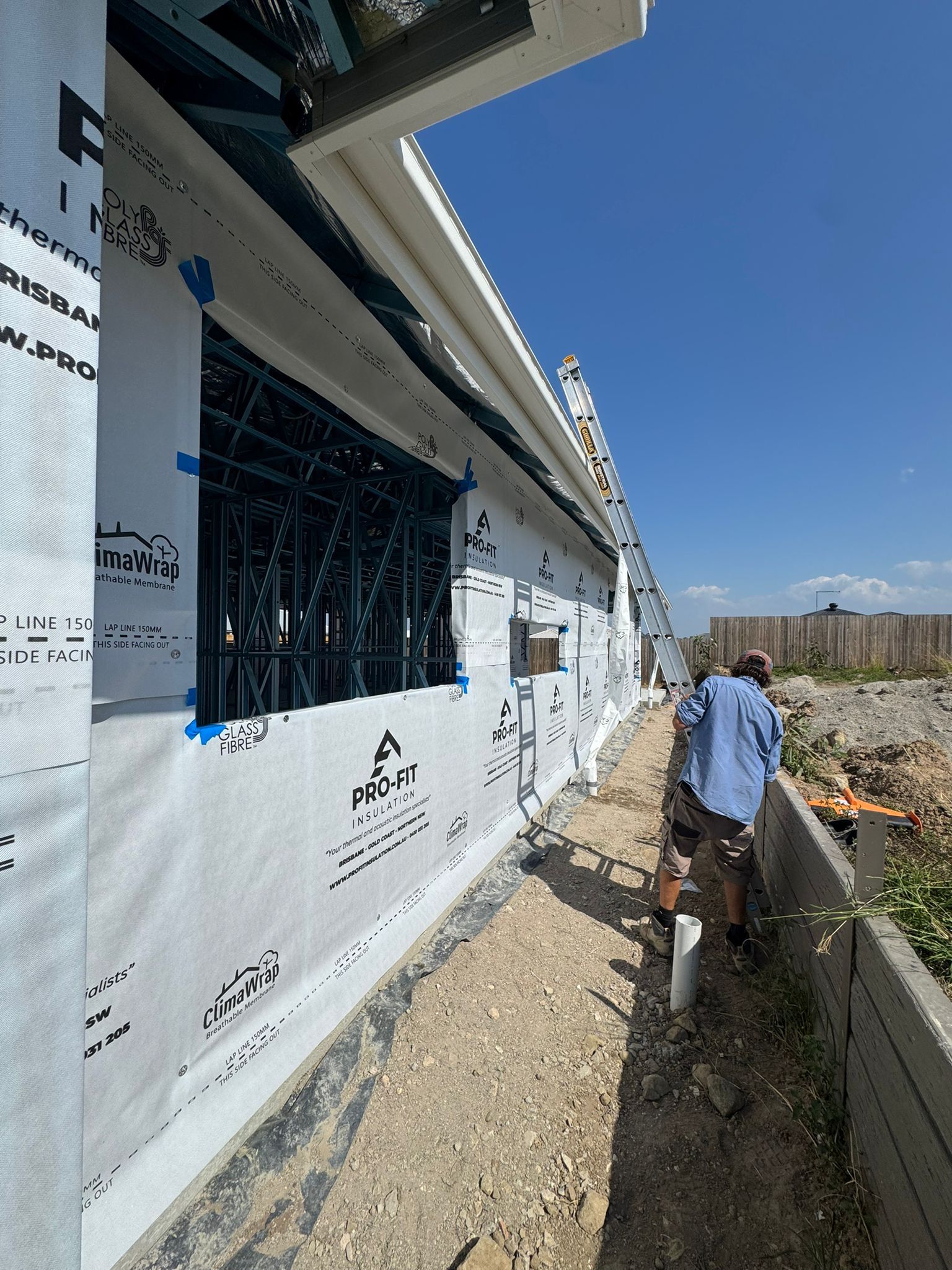
What affects insulation removal vacuum cost on the Gold Coast? Roof size, access, contamination and disposal explained, plus our $5 to $10+ per m² guide.
By Pro-Fit Insulation • October 5, 2026
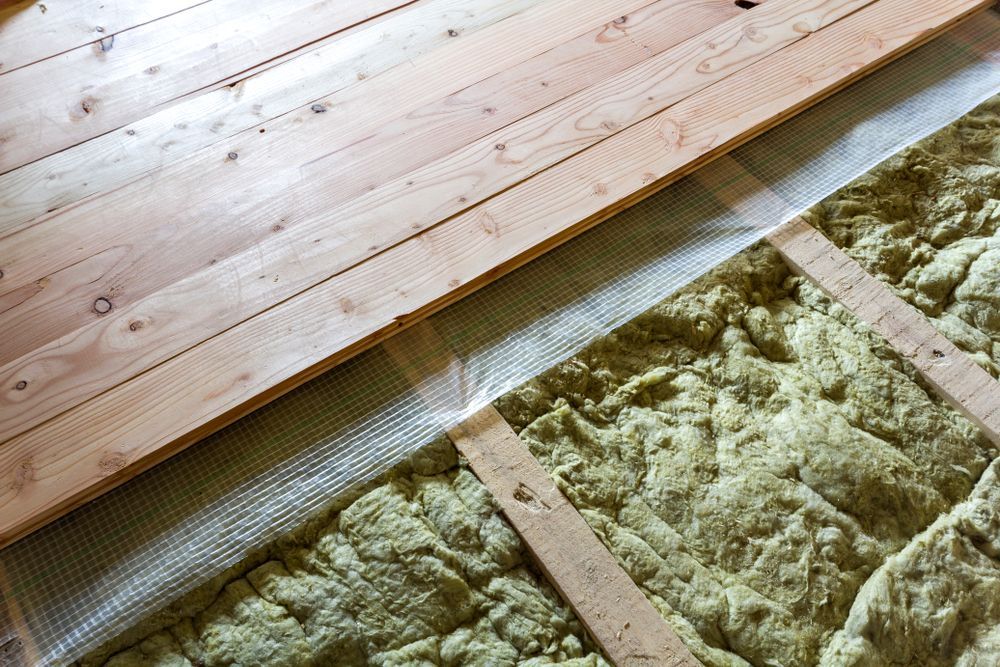
What is Sisalation? Learn how reflective foil, roof sarking and wall wraps work with bulk batts to keep Gold Coast homes cooler, drier and more comfortable.
By Pro-Fit Insulation • May 18, 2026
Robina homeowner Tom discovers his raised floor home needed underfloor insulation. Pro-Fit Insulation solved cold floors and draughts. Roof insulation Gold Coast experts.
By Pro-Fit Insulation • May 18, 2026
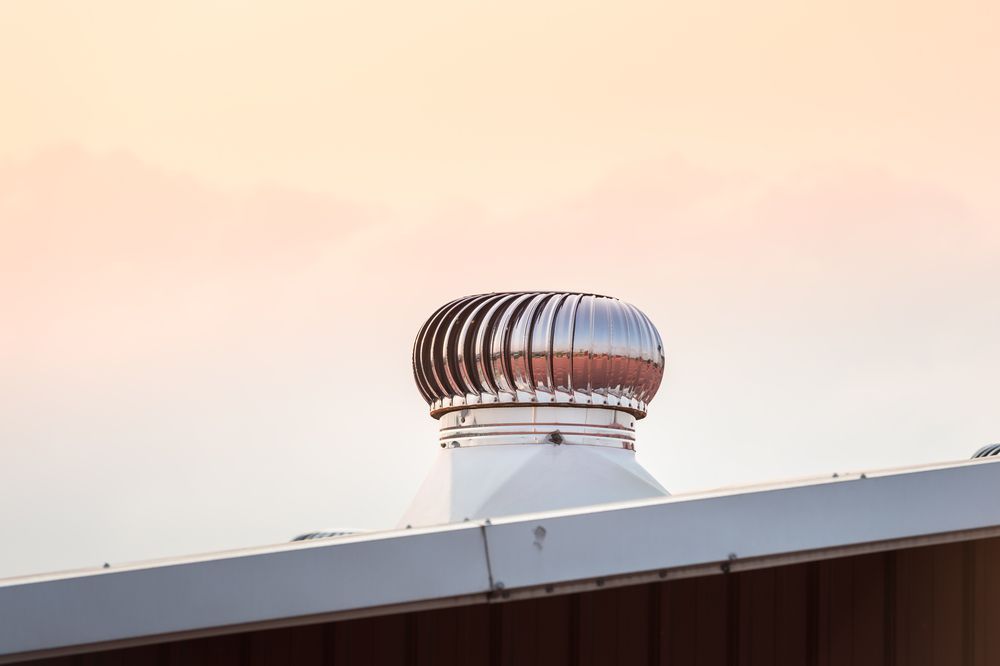
Coomera homeowner Sandra explains how Pro-Fit Insulation solved her uneven home temperatures with whirlybirds and insulation top-up. Roof insulation Gold Coast done right.
By Pro-Fit Insulation • May 18, 2026
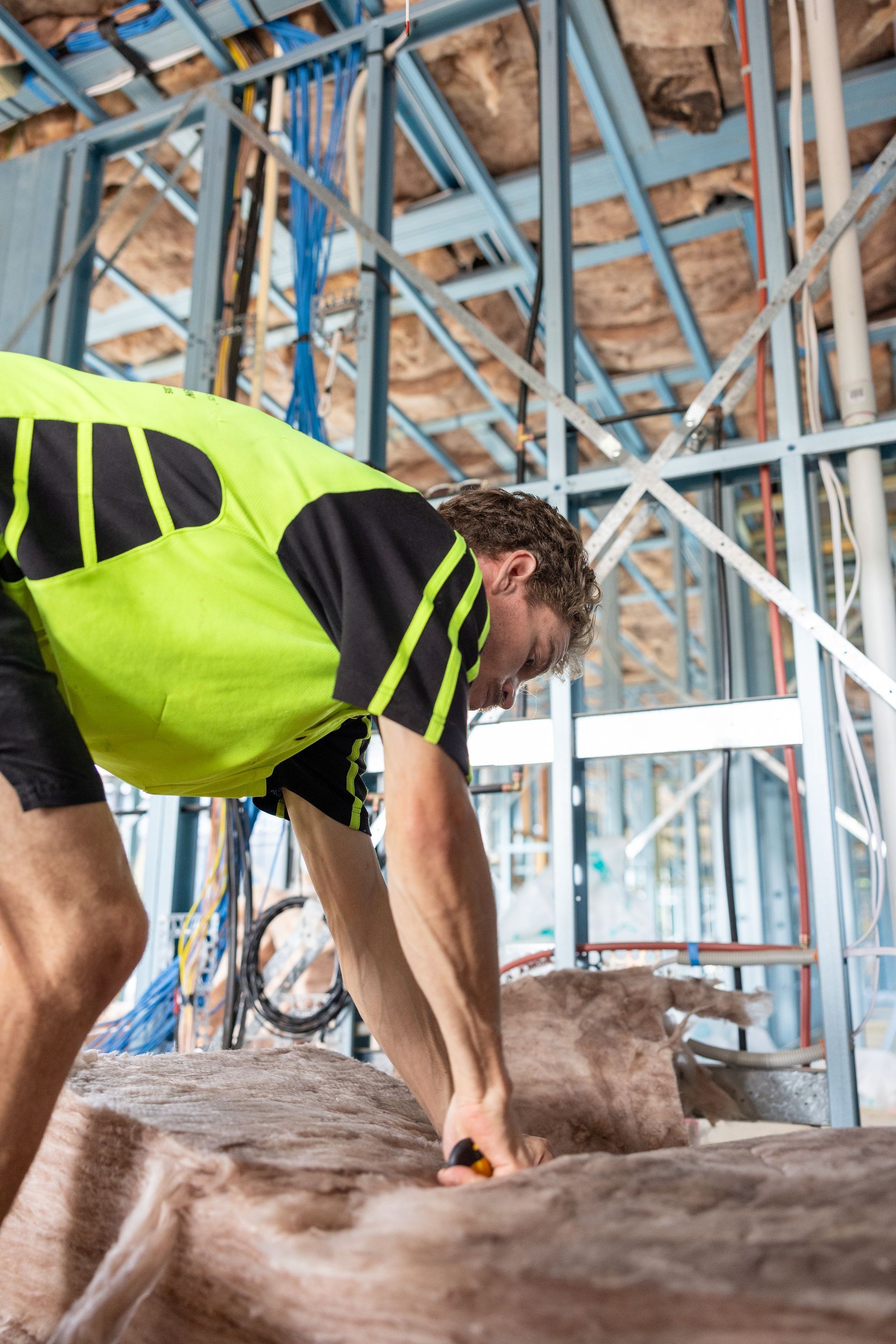
Mudgeeraba homeowner James compared three quotes before choosing Pro-Fit Insulation. A roof insulation Gold Coast story about getting it right first time.
By Pro-Fit Insulation • May 18, 2026
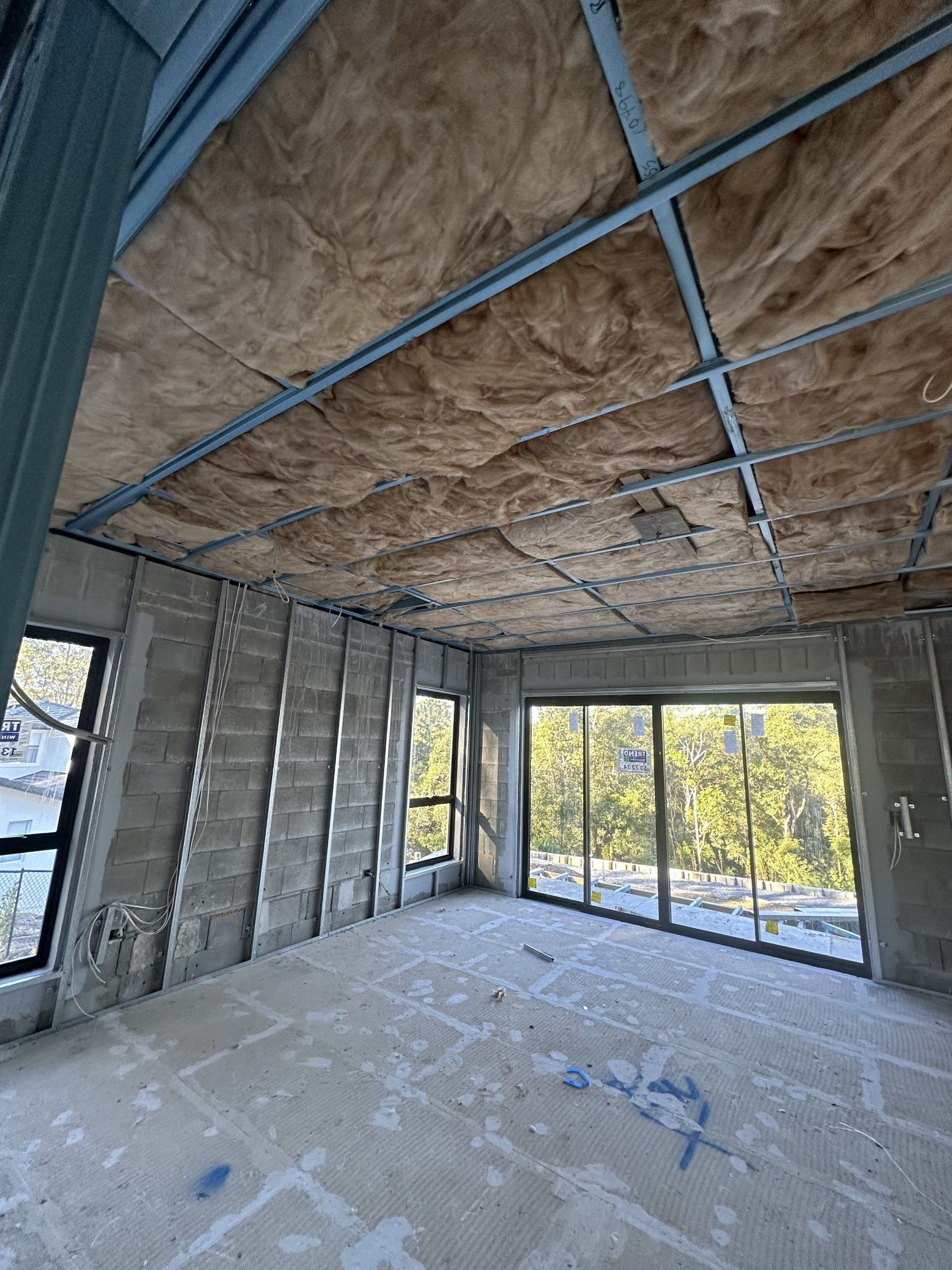
Helensvale homeowner Melissa shares how Pro-Fit Insulation upgraded roof and wall insulation mid-renovation. Real roof insulation Gold Coast results.
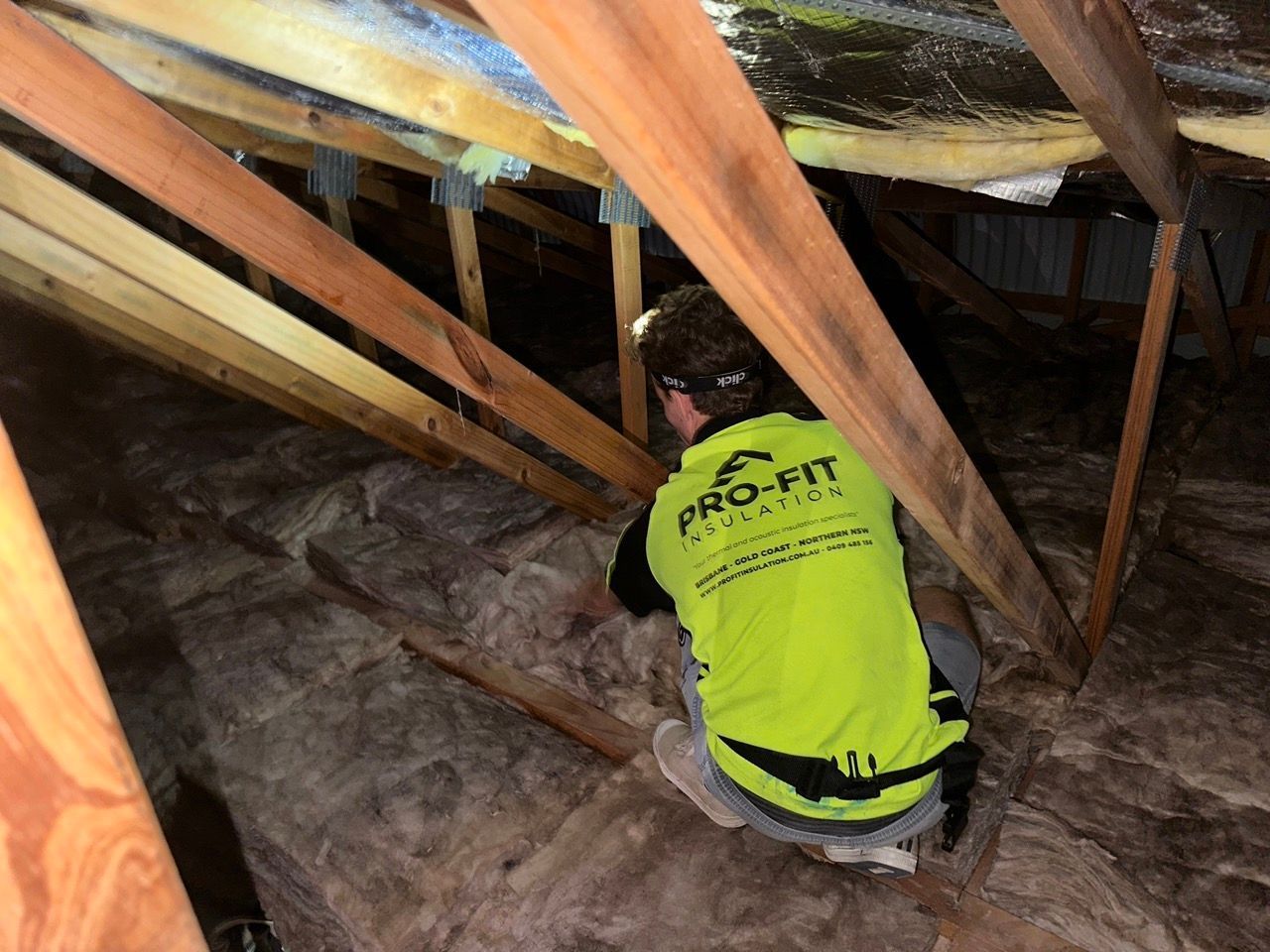
By Pro-Fit Insulation • May 18, 2026
Gold Coast homeowner Dave shares how Pro-Fit Insulation safely removed degraded ceiling insulation at his Varsity Lakes home. A roof insulation Gold Coast story.
By Pro-Fit Insulation • May 18, 2026
Gold Coast homeowner Karen shares how Pro-Fit Insulation solved her sweltering Burleigh Heads roof with expert roof insulation Gold Coast service.
Show More