
Does Acoustic Insulation Really Reduce Noise at Home?

Pro-Fit Insulation • October 5, 2026

Acoustic insulation does reduce noise moving between rooms and from outside, but it will not make a home fully soundproof on its own. At Pro-Fit Insulation, we supply and install acoustic and fire-rated batts for homes across the Gold Coast and South East Queensland, and the most common question we hear is how much difference it really makes. This guide covers how sound moves through a house, how acoustic batts differ from standard thermal batts, where they help most and where their limits are.

Key Takeaways

  • Acoustic insulation reduces noise transfer between rooms and from outside, but gaps, hollow-core doors and untreated windows limit what it can achieve.
  • The main difference between thermal and acoustic batts is density. Denser batts absorb more sound energy.
  • Bedrooms beside living areas, home offices, media rooms and floors between storeys benefit most.
  • Installing acoustic batts before the plasterboard goes on is the most cost-effective approach.

Introduction: How Acoustic Insulation Reduces Noise

Acoustic insulation works by absorbing sound energy inside wall, ceiling and floor cavities so less of it passes through to the next space. Sound travels as pressure waves, and in a typical brick veneer or lightweight framed home those waves pass through plasterboard, studs and empty cavities with very little resistance.

With acoustic batts in the cavity, conversations in the next room become a murmur rather than clear speech. That is a real improvement in day-to-day comfort, even if it is not studio-level silence.

Common noise problems we see in Gold Coast homes include kids' bedrooms sharing a wall with the living room, home offices on busy streets, media rooms under bedrooms, and traffic or neighbour noise coming through walls and ceilings. We are locally owned and operated in Arundel, with 15+ years of experience across residential, commercial and industrial projects.

Sound Insulation Basics: How Noise Moves Through a House

Noise in a house is either airborne or impact noise, and each travels differently. Airborne noise includes voices, TV and music. Impact noise includes footsteps on an upper floor, chairs scraping and vibrating pipes.

An empty wall cavity behaves a bit like a drum. The plasterboard on each side vibrates and the air inside carries the sound straight through. Filling that cavity with insulation absorbs much of that energy.

Good sound control relies on four things working together:

  • Mass: heavier materials resist vibration and block airborne sound.
  • Absorption: insulation in the cavity soaks up sound energy instead of letting it bounce around.
  • Decoupling: separating layers so vibration does not pass straight through rigid connections.
  • Sealing: closing gaps so sound cannot sneak around the insulation.

Take an uninsulated internal wall between a living room and bedroom. With bare studs and plasterboard on each side, TV audio comes through clearly. Fill the cavity with acoustic batts and seal the edges, and individual words become hard to make out.

Thermal Batts vs Acoustic Batts: What Is the Difference?

Acoustic batts are denser than standard thermal batts, and that extra density is what lets them absorb more sound. Both can be made from similar materials, such as glasswool or polyester. The difference is how much fibre is packed into each batt.

Thermal batts in a wall still help with noise, because any fibre is better than an empty cavity. High-density acoustic batts give a noticeably better result between rooms, particularly for lower-frequency noise like bass from a home theatre.

  • External walls and ceilings: usually thermal batts, because heat is the main concern.
  • Internal walls between bedrooms and living areas: acoustic batts.
  • Floors between storeys: acoustic batts for airborne and impact noise.
  • Media rooms and studios: high-density acoustic batts as part of a wider system.

We often combine thermal and acoustic batts on the same job, so you are not paying for acoustic performance in areas where heat control is what matters.

Types of Acoustic Insulation Products Used in Homes

Most residential acoustic insulation in Australia is batt insulation, with a few supporting products for specific situations.

  • Glasswool acoustic batts: the most common choice for internal walls and ceilings in family homes. They are non-combustible and easy to fit.
  • Higher-density mineral fibre batts: often used where acoustic and fire performance are both needed, such as walls between attached dwellings.
  • Polyester acoustic batts: non-itch and low-dust, which suits households sensitive to fibres.

Some projects also use dense barrier membranes behind plasterboard for extra low-frequency control in a home theatre. Acoustic foam panels, on the other hand, reduce echo inside a room but do little to stop sound passing between rooms.

Where Acoustic Insulation Works Best Inside the Home

Acoustic insulation gives the biggest improvement in the specific walls, ceilings and floors where noise causes the most disruption. Treating every wall is rarely necessary.

Internal walls where acoustic batts make the most difference include:

  • Between bedrooms and living areas
  • Between bathrooms or laundries and bedrooms
  • Between the garage and the house
  • Around a media or rumpus room

In ceilings, acoustic batts help under upstairs living areas and media rooms. In single-storey homes under metal roofs, ceiling insulation also absorbs traffic and rain noise. In two-storey homes, insulation between floors reduces the sound of footsteps and TV travelling between levels, although impact noise also depends on the floor finish.

If you are renovating or building in suburbs like Helensvale, Robina or Burleigh Heads, decide your priority zones early. It is far easier and cheaper to fit acoustic batts before the plasterboard goes up.

Bedrooms, Home Offices and Media Rooms: High-Priority Areas

Bedrooms, home offices and media rooms benefit most from acoustic upgrades, because they either need quiet or create the most noise.

  • Bedrooms: shift workers who sleep during the day, parents wanting a quieter main bedroom, teenagers beside the family room and nurseries next to bathrooms all benefit from acoustic batts in the shared walls and ceiling.
  • Home offices: acoustic batts in the walls and ceiling cut down background noise on video calls and make the room work as a real workspace.
  • Media and rumpus rooms: high-density acoustic batts, a solid-core door and sealed edges reduce the noise that spills into bedrooms and next door.

A helpful first step is to mark up your floor plan with the walls and ceilings that would benefit most, then talk through priorities with us.

Limits of Acoustic Insulation: Gaps, Doors and Windows

Acoustic insulation cannot overcome weak points elsewhere in the room. Sound leaks through any opening, so gaps, lightweight doors and single-glazed windows will undermine batts that are otherwise well installed.

  • Gaps: unsealed power points, downlights, ducts, pipes, cornices and skirting all let noise bypass the cavity. Sealing them is one of the cheapest improvements you can make.
  • Doors: hollow-core doors offer very little resistance to sound. Solid-core doors with perimeter seals and a drop seal make a clear difference.
  • Windows: acoustic batts complement good glazing and seals but do not replace them.

The best results come from combining acoustic batts with better doors, seals and sensible room layout.

New Builds vs Retrofits: When to Install Acoustic Insulation

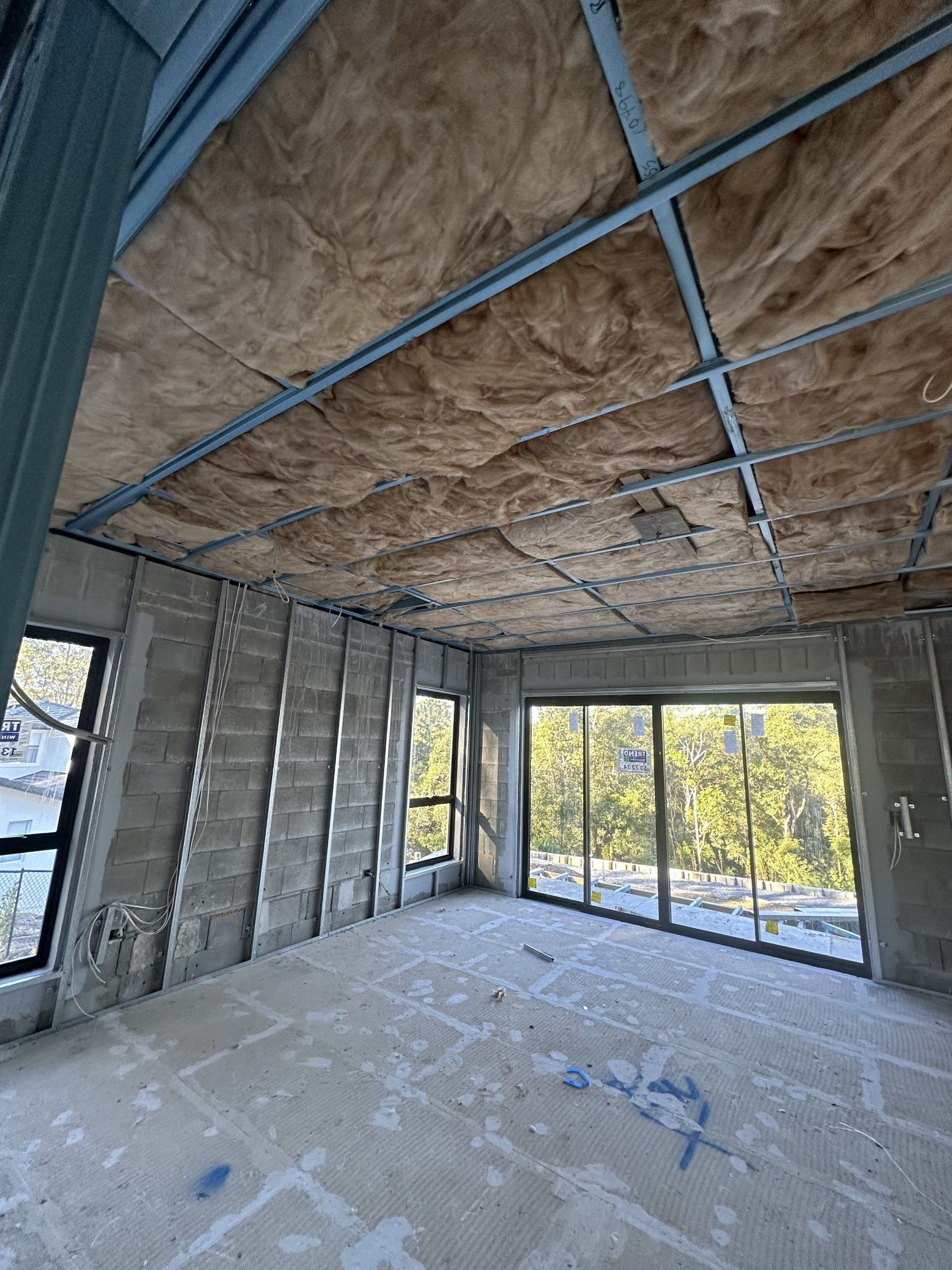
The most cost-effective time to install acoustic batts is during a new build or major renovation, while wall and ceiling cavities are open. Batts can be fitted accurately and penetrations sealed before the linings go on.

On a new build, consider acoustic batts in internal walls around bedrooms and studies, in floors between storeys and in ceilings under upstairs living areas.

Retrofitting walls in an existing home usually means removing and replacing plasterboard, which adds cost and disruption. Simpler retrofit options include:

  • Adding acoustic batts to accessible ceiling spaces
  • Insulating between floors from below where there is access
  • Treating one high-priority room while walls are already open for a bathroom or kitchen renovation

Installation Quality and Common Mistakes to Avoid

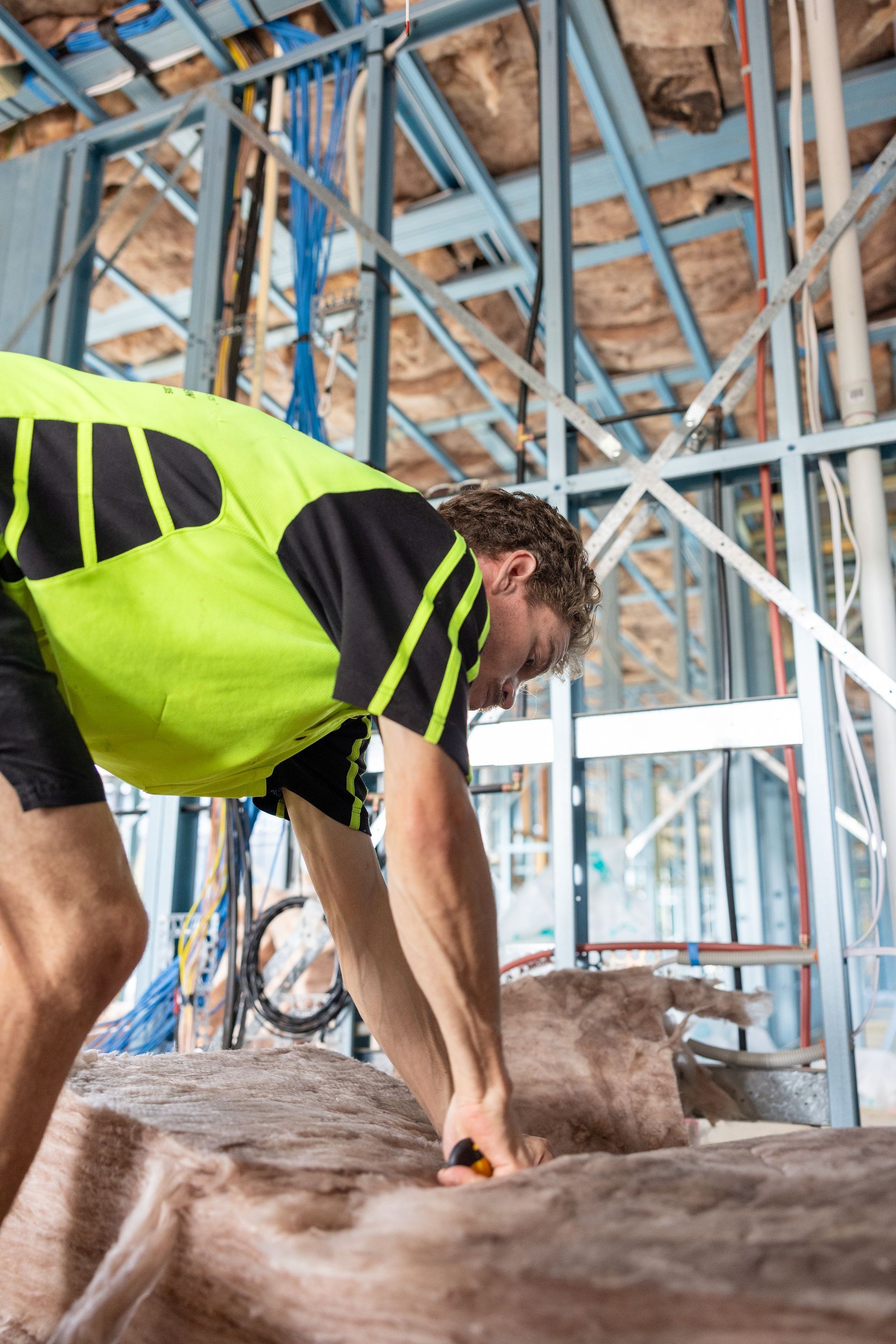
Installation quality matters as much as the product. Batts need to be cut accurately, fitted snugly without gaps, folds or compression, and worked carefully around services.

Common mistakes that reduce acoustic performance include:

  • Gaps at the top or bottom of the wall where batts do not fill the full cavity height
  • Batts squashed behind pipes, wiring or junction boxes
  • Missed corners and odd-shaped sections of framing
  • Cavities left empty because access was awkward

Careful detailing around exhaust fans, ducts and downlights stops sound flanking through these openings. Our team has refined these methods over 15+ years of local work.

Choosing the Right Acoustic Solution for South East Queensland Homes

The right acoustic solution depends on how your home is built, how the rooms are laid out and where the noise comes from. In our warm climate, most homeowners combine acoustic batts in internal walls with thermal insulation in ceilings and external walls, so they improve both comfort and quiet.

We look at construction type, from brick veneer to lightweight framing and raised timber homes, along with room layout and noise sources, before recommending a mix of products. For a real example, read how a West End terrace was made quieter with acoustic insulation.

Why Work With Pro-Fit Insulation

Professional advice and installation help you get the right balance of cost, comfort and acoustic performance. We are locally owned and operated, with 15+ years of experience across residential, commercial and industrial insulation, and we supply and install acoustic and fire-rated batts.

Working with a specialist means the right product in the right place, neat installation and minimal disruption while the work is done. Call 1300 522 089 for a free quote.

Frequently Asked Questions

Can I add acoustic insulation to just one room?

Yes. Many homeowners target one high-priority room, such as a main bedroom, nursery, office or media room. Treating the shared walls and the relevant ceiling or floor usually gives a noticeable improvement without a whole-house upgrade.

Will acoustic insulation affect how warm or cool my home feels?

Acoustic batts also slow heat transfer, so they add some thermal benefit. Combining acoustic batts in internal walls with thermal ceiling and external wall insulation improves both comfort and noise control.

Is acoustic insulation worth it if I live on a quiet street?

Often, yes. Noise inside the house between rooms and levels can be just as disruptive as street noise. Busy family homes, multi-generational households and homes with a study, gym or gaming room all benefit.

Do I need to move out while it is installed?

Usually not. Ceiling work can generally be done while you stay at home, though some rooms may need clearing. Retrofits that involve removing plasterboard are more disruptive, and we can time the work around other renovations.

How do I get an accurate quote?

Gather your house plans if you have them, photos of the areas involved and a list of the rooms or walls causing the most noise. Pro-Fit Insulation can often give an indicative quote from plans and photos, then confirm on site. Call 1300 522 089 for a free quote.

Recent Posts

By Pro-Fit Insulation • October 5, 2026
How long does insulation last on the Gold Coast? Learn what shortens its life, the signs it needs topping up or replacing, and when to call a specialist.
By Pro-Fit Insulation • October 5, 2026
Polyester vs glasswool insulation for Gold Coast ceilings: compare handling, moisture, fire behaviour, cost and lifespan to choose the right batts for you.
By Pro-Fit Insulation • October 5, 2026
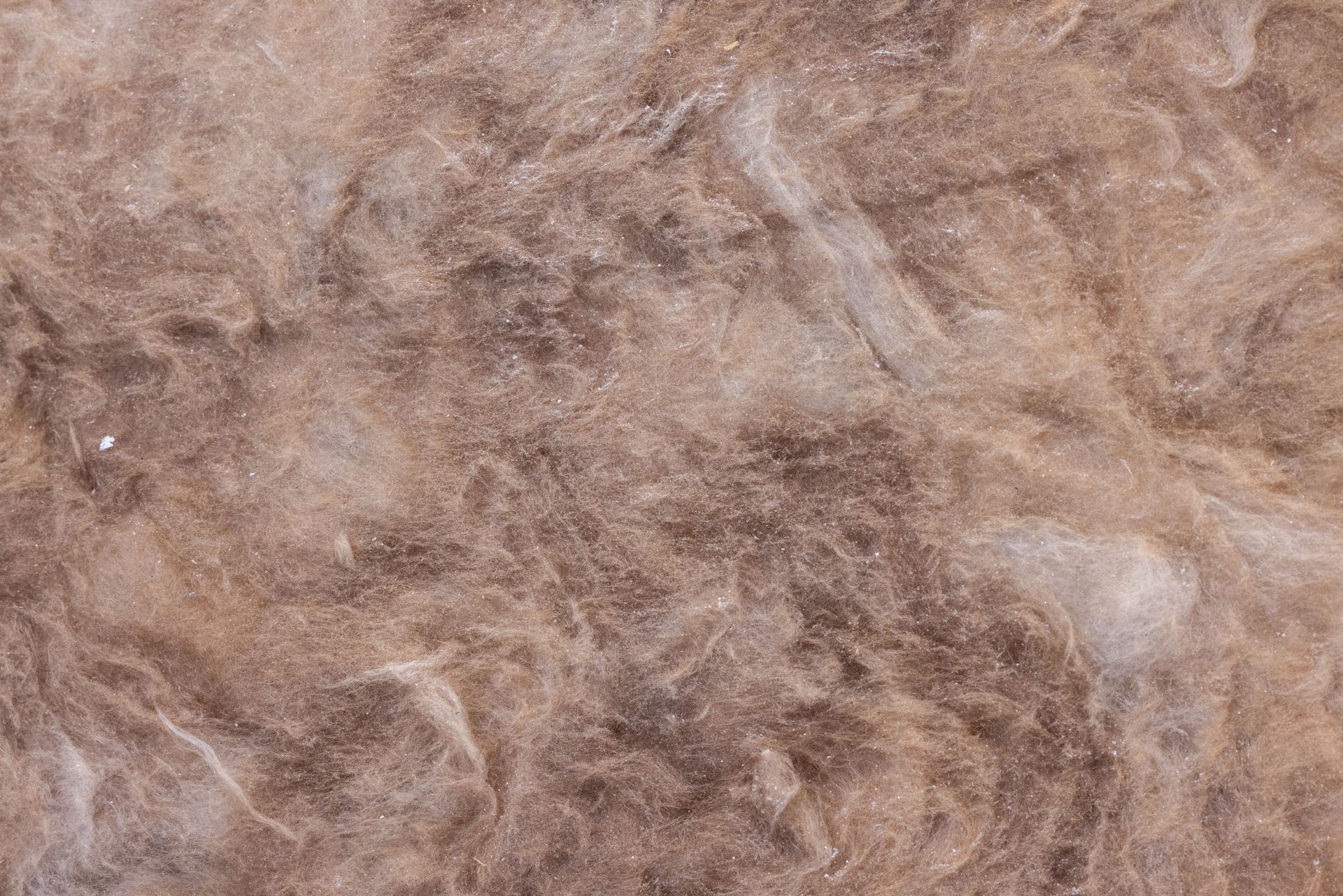
What affects insulation removal vacuum cost on the Gold Coast? Roof size, access, contamination and disposal explained, plus our $5 to $10+ per m² guide.
By Pro-Fit Insulation • October 5, 2026
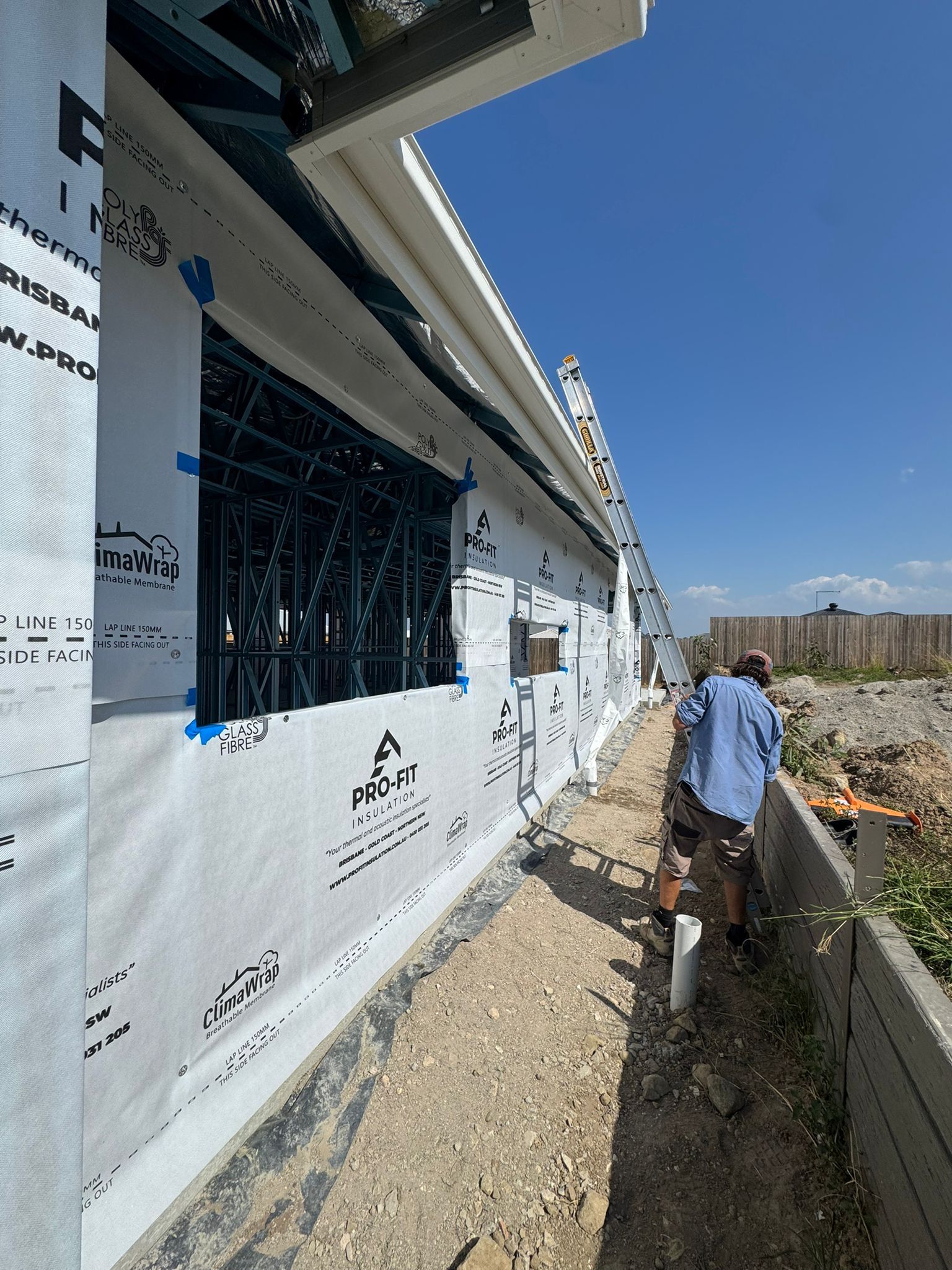
What is Sisalation? Learn how reflective foil, roof sarking and wall wraps work with bulk batts to keep Gold Coast homes cooler, drier and more comfortable.
By Pro-Fit Insulation • May 18, 2026
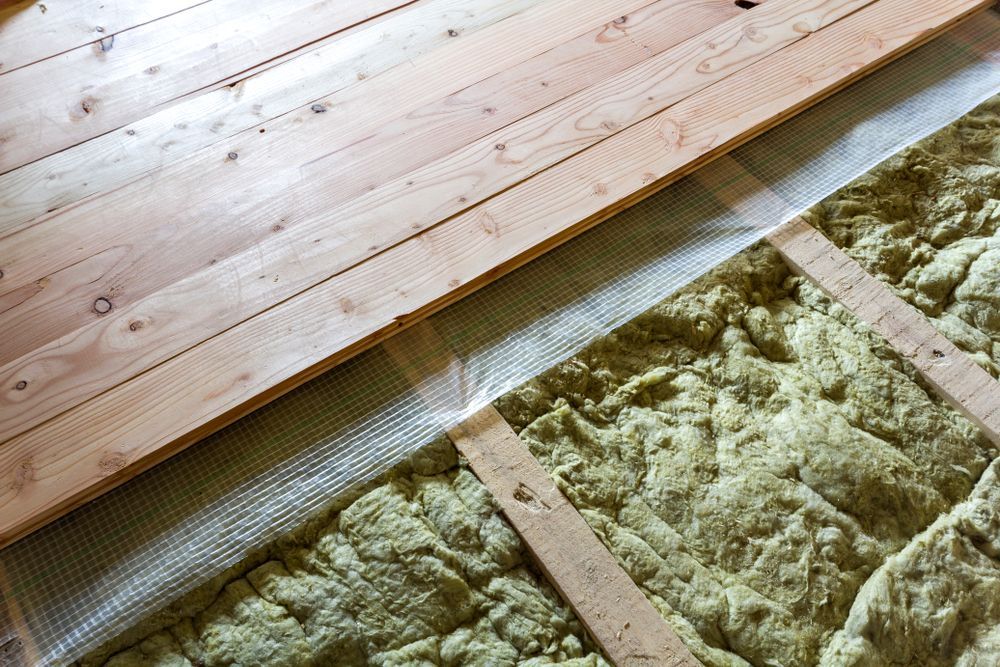
Robina homeowner Tom discovers his raised floor home needed underfloor insulation. Pro-Fit Insulation solved cold floors and draughts. Roof insulation Gold Coast experts.
By Pro-Fit Insulation • May 18, 2026
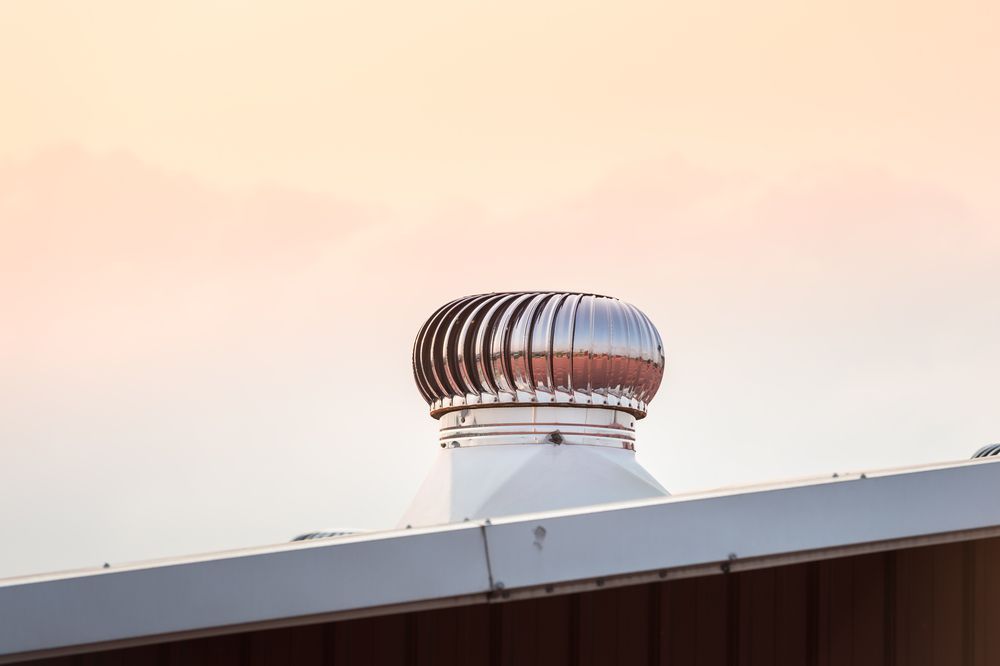
Coomera homeowner Sandra explains how Pro-Fit Insulation solved her uneven home temperatures with whirlybirds and insulation top-up. Roof insulation Gold Coast done right.
By Pro-Fit Insulation • May 18, 2026
Mudgeeraba homeowner James compared three quotes before choosing Pro-Fit Insulation. A roof insulation Gold Coast story about getting it right first time.
By Pro-Fit Insulation • May 18, 2026
Helensvale homeowner Melissa shares how Pro-Fit Insulation upgraded roof and wall insulation mid-renovation. Real roof insulation Gold Coast results.
By Pro-Fit Insulation • May 18, 2026
Gold Coast homeowner Dave shares how Pro-Fit Insulation safely removed degraded ceiling insulation at his Varsity Lakes home. A roof insulation Gold Coast story.
By Pro-Fit Insulation • May 18, 2026
Gold Coast homeowner Karen shares how Pro-Fit Insulation solved her sweltering Burleigh Heads roof with expert roof insulation Gold Coast service.

Show More