
How Long Does Insulation Last? Signs It Needs Replacing

Pro-Fit Insulation • October 5, 2026

Quality ceiling insulation like Earthwool typically lasts 20 to 25 years when it is installed correctly, but heat, moisture, pests and roof traffic can cut that short. At Pro-Fit Insulation, we spend a lot of time in Gold Coast roof spaces, and we regularly find insulation that stopped doing its job well before its time. This guide explains what affects insulation lifespan in South East Queensland, the signs it needs topping up or replacing, and how to decide what to do next.

Key Takeaways

  • Quality insulation like Earthwool typically lasts 20 to 25 years when installed correctly and kept dry.
  • Heat, humidity, roof leaks, pests and trades crawling through the roof space all shorten insulation life.
  • Hot or cold rooms, rising energy bills, flattened or patchy batts, musty smells and pest signs suggest your insulation needs attention.
  • Dry, clean insulation can often be topped up. Wet, contaminated or badly compressed insulation is usually better removed and replaced.

How Long Does Ceiling Insulation Really Last?

There is no expiry date printed on a batt, but insulation does wear out. Quality insulation like Earthwool typically lasts 20 to 25 years when installed correctly, and performance declines gradually rather than all at once.

In our hot, humid climate, that window can be shorter if the roof space is not looked after. Modern glasswool and polyester batts hold their shape well, while much older products and loose fill can settle, clump or break down years earlier.

Age is only part of the story. The real test is how your home feels. Even temperatures from room to room, reasonable comfort through summer and winter, and steady energy bills are good signs your insulation is still working.

What Affects How Long Ceiling Insulation Lasts in South East Queensland?

Our hotter roofs, higher humidity and summer storms all shorten insulation life compared with cooler southern climates.

  • Heat: roof spaces under dark metal roofs get extremely hot in summer, which speeds up the breakdown of some older products.
  • Moisture: even small roof leaks or condensation can wet insulation, causing it to slump, smell musty and lose performance.
  • Trades access: electricians, air-conditioning and solar installers moving through the roof can crush or shift batts, leaving gaps.
  • Pests: rats, mice, possums and birds nest in insulation, contaminate it with droppings and flatten it.
  • Poor original installation: gaps, patchy coverage or the wrong product means some insulation never performed well in the first place.

How Material Type Changes Insulation Lifespan

The type and format of your insulation has a big effect on how it ages in a hot roof space.

  • Modern glasswool batts such as Earthwool are made from recycled glass, hold their shape well and are non-combustible. Kept dry and undisturbed, they typically last 20 to 25 years.
  • Polyester batts are also stable. They do not absorb moisture easily and do not sag, which suits humid conditions, and they are non-itch to handle.
  • Loose fill and older blow-in products tend to settle over time, leaving a thinner layer with less resistance to heat.
  • Reflective foil helps with radiant heat but does not replace bulk insulation.

Very old insulation, such as thin batts, patchy loose fill or unknown products, was not designed for today's comfort expectations and often needs replacing rather than a simple top-up. For most accessible roof spaces, new ceiling batts give the most predictable long-term performance.

Common Problems That Shorten Insulation Life

Insulation usually fails because something damages it, not because the material simply runs out.

  • Compression: people crawling through the roof squash the air pockets in batts, making them thinner and less effective.
  • Water damage: leaks, cracked tiles, failed flashing or overflowing gutters can soak insulation, leaving stains, lost loft and musty smells.
  • Pests: nesting animals pull batts apart, tunnel through loose fill and leave droppings and urine behind.
  • Dust and debris: years of dust settling through an older roof adds weight and crushes the material further.
  • Renovations: new downlights, ducts or cabling can leave gaps when insulation is moved aside and never put back properly.

Once insulation has been disturbed many times, topped up with mixed products or contaminated, replacing it is usually more effective than patching it again and again.

How Worn-Out Insulation Affects Comfort and Energy Bills

Worn-out ceiling insulation makes your home harder to keep comfortable and more expensive to run. The ceiling is the main barrier between your living areas and a hot roof space, so when insulation thins out, you feel it.

In summer, heat from the roof cavity pushes down into rooms through thin, patchy or missing batts, and upstairs bedrooms become hot and stuffy at night. In winter, warmth escapes up through the ceiling, so the heater runs longer.

Many homeowners in Southport, Nerang and Coomera try to fix comfort problems with a bigger air conditioner when the real issue is insulation that is no longer pulling its weight. Restoring complete, gap-free coverage helps stabilise indoor temperatures and reduces how hard your cooling and heating have to work. One Coomera homeowner found that out after a ventilation upgrade and insulation top-up sorted her uneven temperatures.

Simple Checklist: Does Your Ceiling Insulation Need Replacing?

The quickest way to judge your insulation is to look at how your home behaves and what you can safely see. Tick off any that apply.

Comfort signs

  • Some rooms are always hotter in summer or colder in winter than the rest of the house
  • Big temperature swings between day and night

Energy signs

  • Energy bills creeping up even though your household and habits have not changed

Building age clues

  • Home built more than 20 years ago with no known insulation upgrade
  • No record of what insulation was installed

What you can see from the manhole

  • Exposed plasterboard or gaps between batts
  • Batts that are dark, sagging or obviously flattened
  • Loose fill sitting well below the top of the ceiling joists

Other warning signs

  • Musty smells from the roof space
  • Droppings, or scratching noises at night
  • Water stains around downlights and ceiling penetrations

If you tick several boxes, a professional assessment is worth it before assuming a quick top-up will solve the problem.

Top-Up vs Full Insulation Replacement

Whether you can top up or need full replacement depends on the condition of what is already there.

A top-up may work when:

  • Existing batts are dry, springy and reasonably clean
  • Coverage is thin or there are small gaps
  • The roof space is free of pests, moisture damage and debris

Full replacement is the safer choice when:

  • Insulation is water-damaged and has permanently lost its loft
  • There is heavy pest contamination
  • Batts are badly compressed and will not recover
  • The roof space is full of mixed loose fill and off-cuts from past trades

Leaving degraded insulation under new batts can trap odours, pests and moisture. Removing it first lets the roof space be cleaned, checked and refitted with consistent, modern insulation. You can see what that looks like in our Varsity Lakes insulation removal story.

Why Work With a Local Specialist Like Pro-Fit Insulation?

A local specialist knows what Gold Coast roof spaces put insulation through and how to fix it properly. We are locally owned and operated in Arundel, with 15+ years of experience in the hot, humid roof spaces common across South East Queensland.

We can inspect your roof space, remove old insulation including loose fill and damaged batts, and install new ceiling insulation with complete coverage. Depending on roof size and access, most homes can be insulated within one day. We give free quotes and honest advice on whether your existing insulation can stay, be topped up or should be replaced. Call 1300 522 089 to arrange an inspection.

FAQ: Ceiling Insulation Lifespan and Replacement

How often should I have my ceiling insulation checked?

If your home is more than 15 to 20 years old, have it checked at least once, or sooner if you notice comfort problems, roof leaks or pests. It is also sensible to recheck after major roof work, such as solar installation, re-roofing or storm repairs.

Is old insulation dangerous to leave in my roof?

Age alone does not make insulation unsafe, but old or damaged insulation can hold dust, droppings and moisture. If it is contaminated, mouldy, heavily degraded or of unknown type, professional removal and replacement is usually recommended.

Can I replace ceiling insulation myself?

Some homeowners try, but roof spaces carry real risks, including heat, electrical cables and fragile ceilings. It is also easy to leave gaps or compress batts without realising. Professional installers fit batts correctly around wiring, downlights and ducts.

Will better ceiling insulation help with summer heat on the Gold Coast?

Yes. Well-installed ceiling insulation slows heat flowing down from a hot roof space, which is especially noticeable under metal roofs and in upstairs rooms. The result is more stable indoor temperatures and less reliance on air conditioning.

What should I do if I already have loose fill in my roof?

Older loose fill often settles and is hard to top up neatly, so many homeowners have it removed and replaced with new batts. Pro-Fit Insulation can inspect the depth and condition of your loose fill and recommend a top-up or full replacement. Call 1300 522 089 for a free quote.

Recent Posts

By Pro-Fit Insulation • October 5, 2026
Does acoustic insulation reduce noise? Learn how acoustic batts differ from thermal batts, where they help most in Gold Coast homes, and their limits.
By Pro-Fit Insulation • October 5, 2026
Polyester vs glasswool insulation for Gold Coast ceilings: compare handling, moisture, fire behaviour, cost and lifespan to choose the right batts for you.
By Pro-Fit Insulation • October 5, 2026
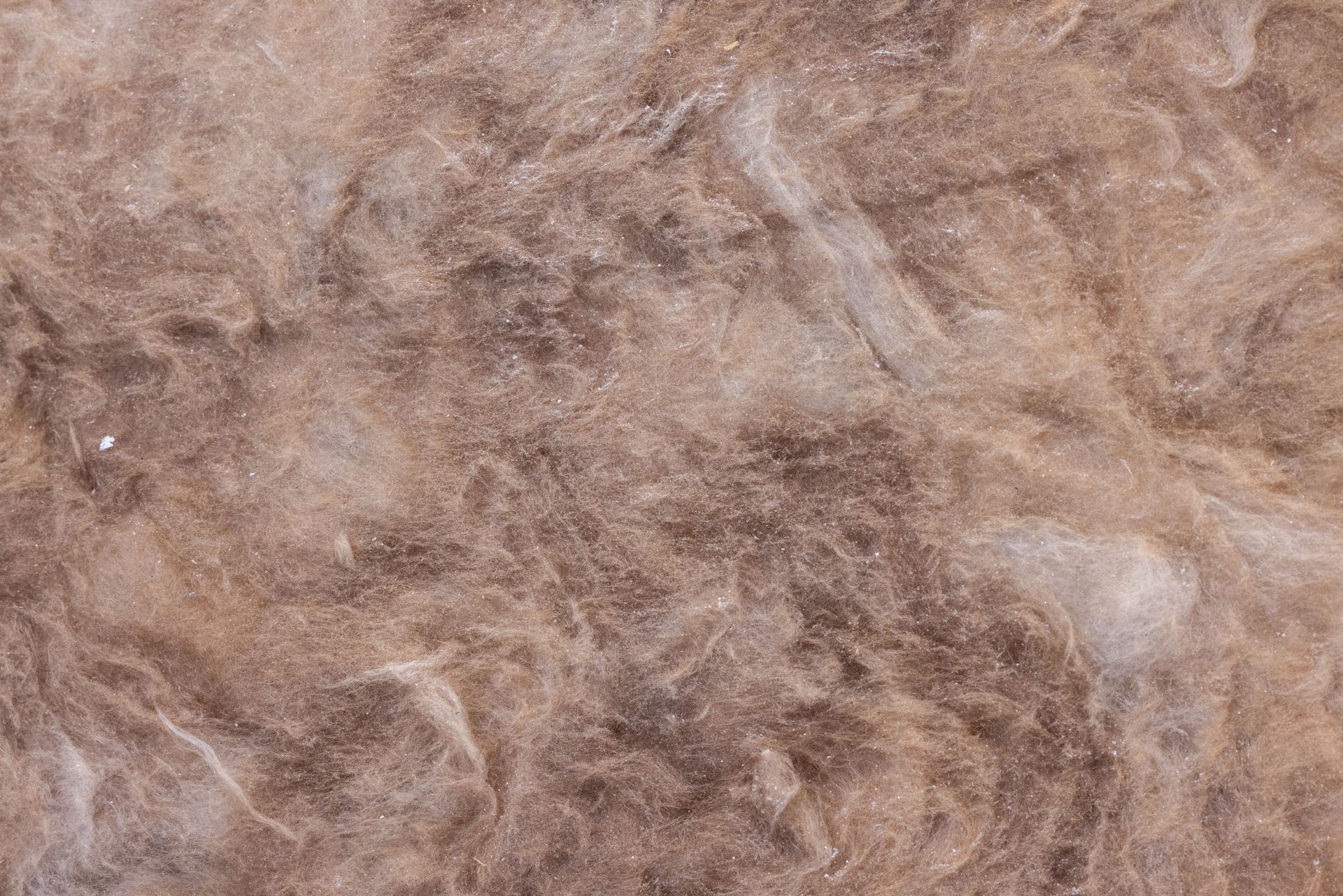
What affects insulation removal vacuum cost on the Gold Coast? Roof size, access, contamination and disposal explained, plus our $5 to $10+ per m² guide.
By Pro-Fit Insulation • October 5, 2026
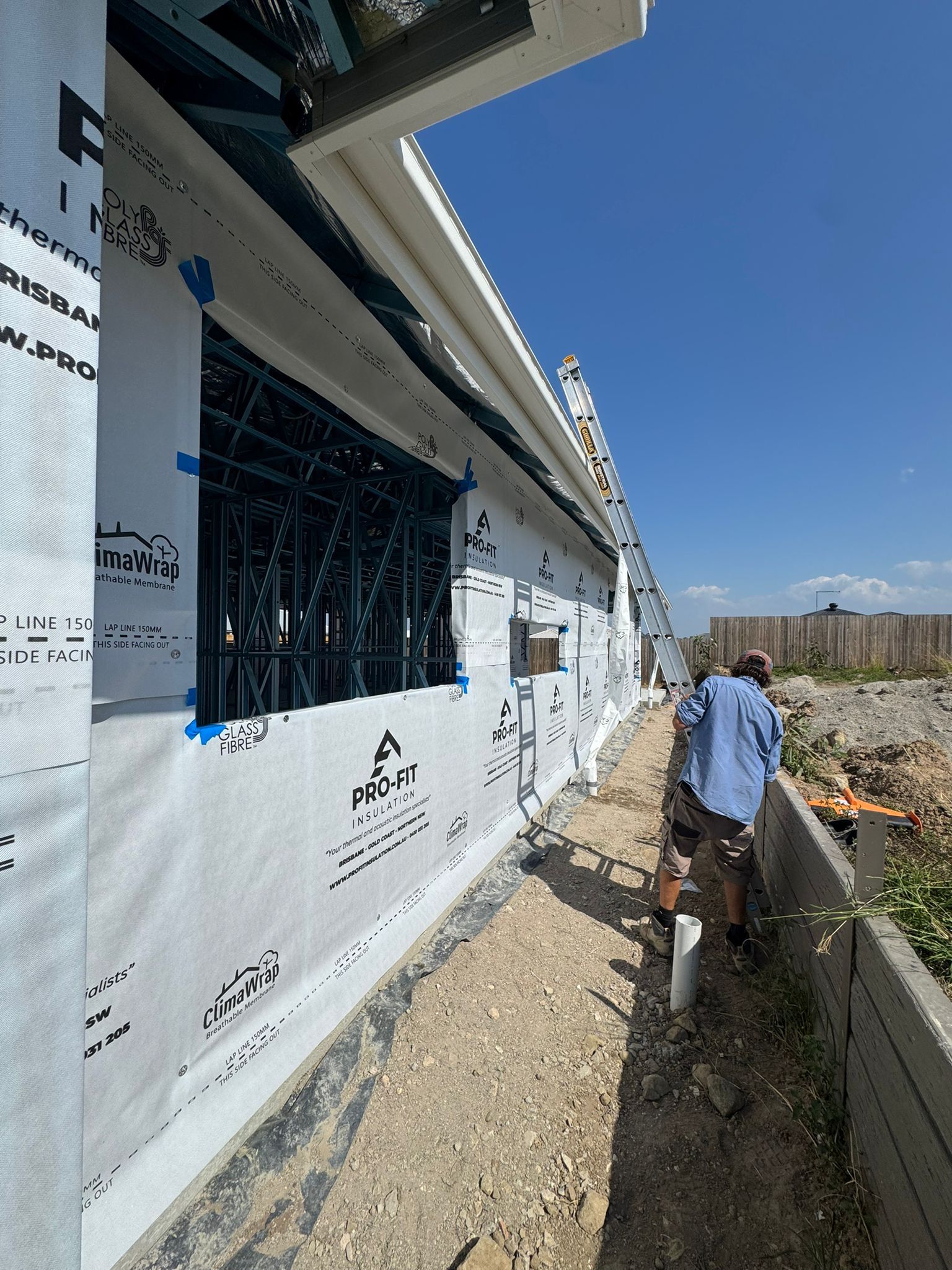
What is Sisalation? Learn how reflective foil, roof sarking and wall wraps work with bulk batts to keep Gold Coast homes cooler, drier and more comfortable.
By Pro-Fit Insulation • May 18, 2026
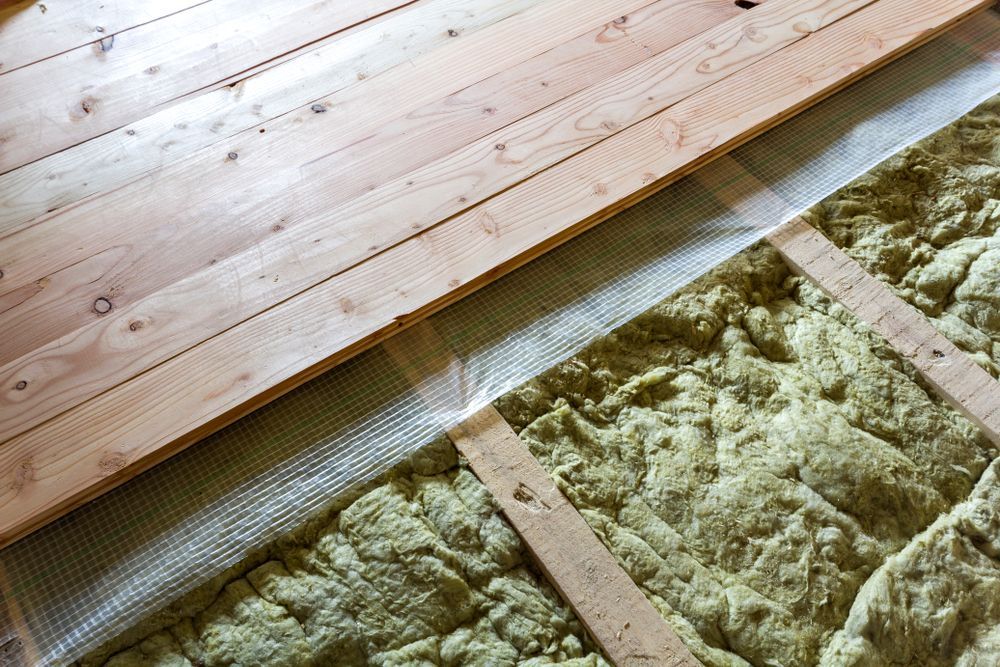
Robina homeowner Tom discovers his raised floor home needed underfloor insulation. Pro-Fit Insulation solved cold floors and draughts. Roof insulation Gold Coast experts.
By Pro-Fit Insulation • May 18, 2026
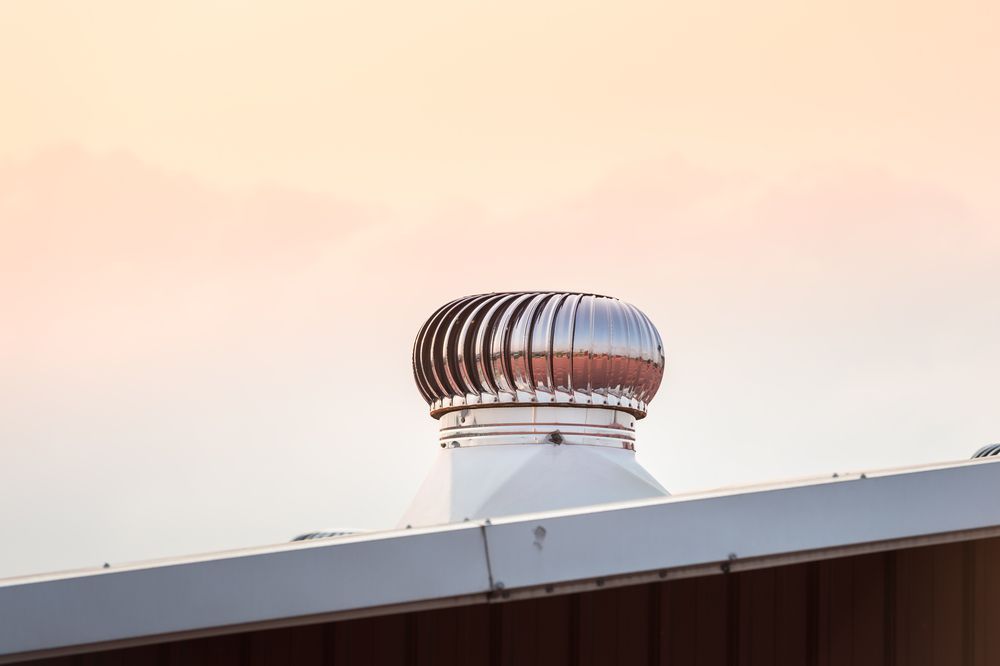
Coomera homeowner Sandra explains how Pro-Fit Insulation solved her uneven home temperatures with whirlybirds and insulation top-up. Roof insulation Gold Coast done right.
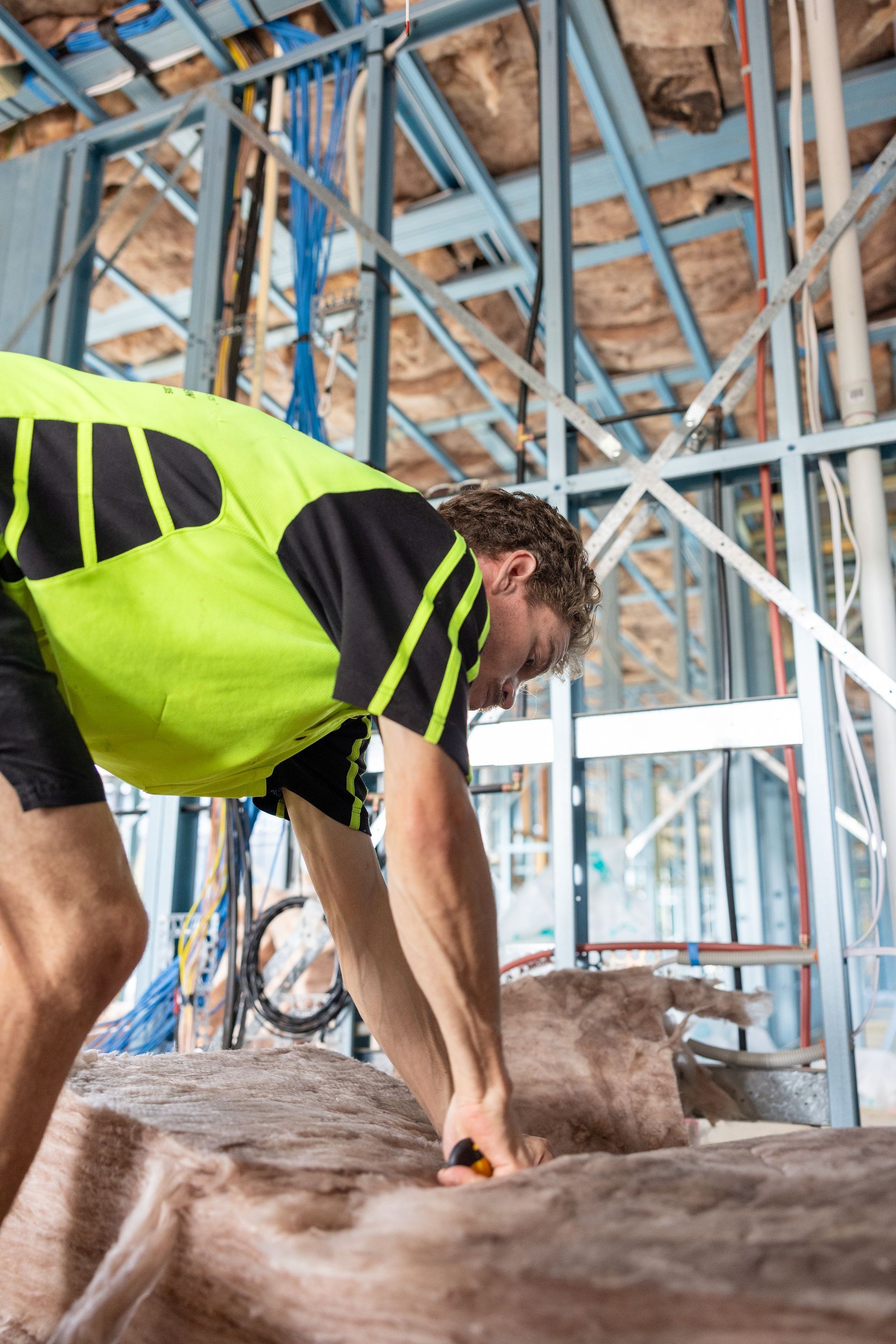
By Pro-Fit Insulation • May 18, 2026
Mudgeeraba homeowner James compared three quotes before choosing Pro-Fit Insulation. A roof insulation Gold Coast story about getting it right first time.
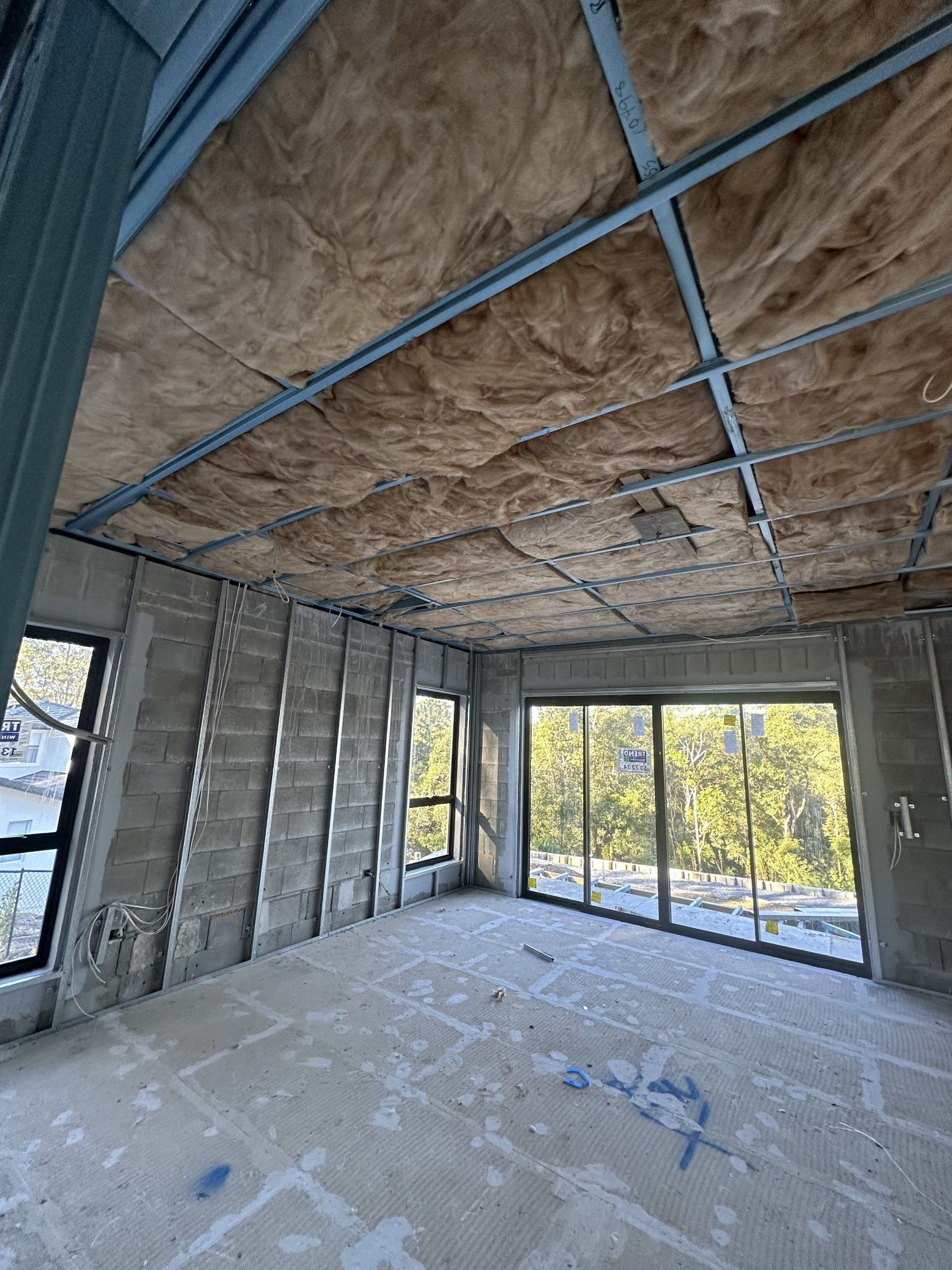
By Pro-Fit Insulation • May 18, 2026
Helensvale homeowner Melissa shares how Pro-Fit Insulation upgraded roof and wall insulation mid-renovation. Real roof insulation Gold Coast results.
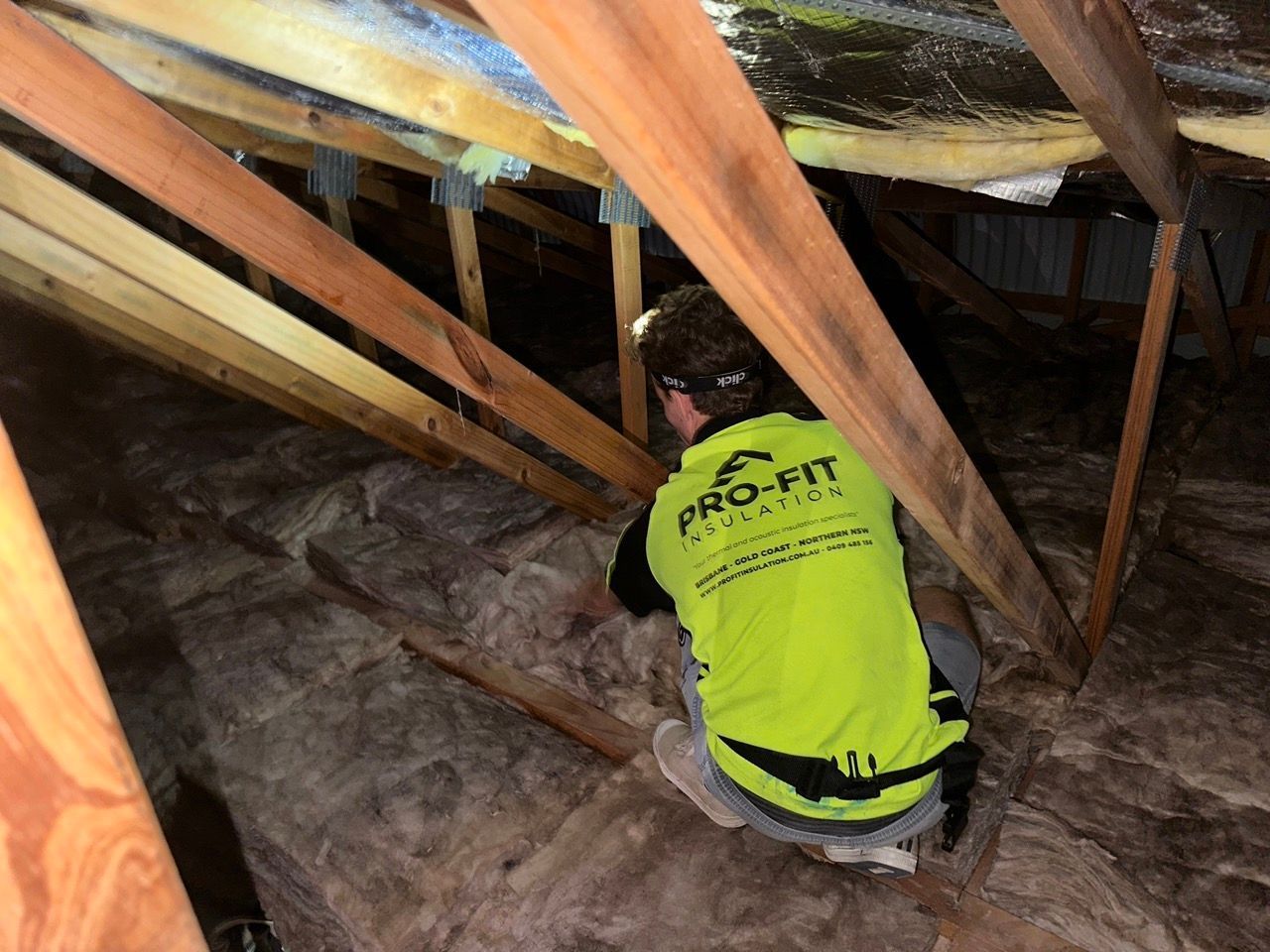
By Pro-Fit Insulation • May 18, 2026
Gold Coast homeowner Dave shares how Pro-Fit Insulation safely removed degraded ceiling insulation at his Varsity Lakes home. A roof insulation Gold Coast story.
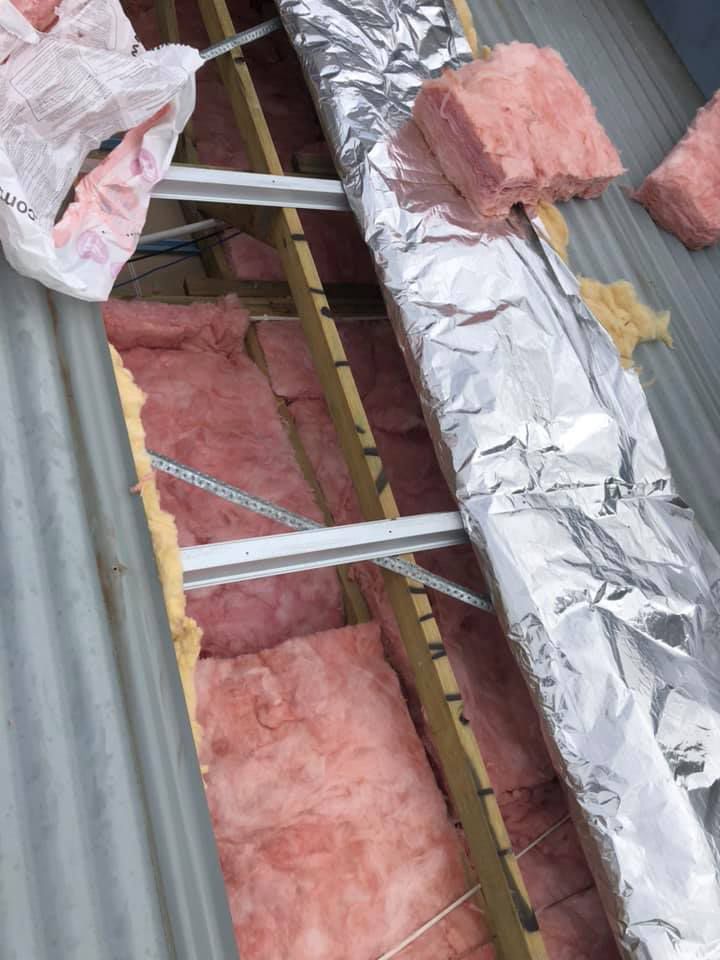
By Pro-Fit Insulation • May 18, 2026
Gold Coast homeowner Karen shares how Pro-Fit Insulation solved her sweltering Burleigh Heads roof with expert roof insulation Gold Coast service.

Show More